
Domain Localization: Best Practices for Global Sites – Domain localization has become a vital strategy for businesses aiming to establish meaningful presence across diverse markets in today’s interconnected digital landscape. It involves tailoring domain choices and structures to align with regional preferences, linguistic details, and cultural considerations.
Proper execution of domain localization not only enhances user experience but also significantly boosts search engine rankings and trustworthiness within local markets. As companies expand beyond borders, understanding the details of domain strategies offers a competitive edge and cultivates deeper connections with target audiences.
Understanding the Fundamentals of Domain Localization
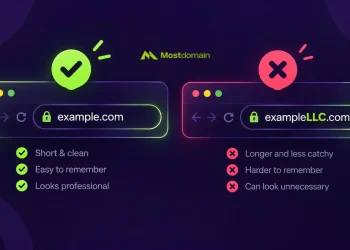
Domain localization focuses on customizing the domain structure to better serve regional audiences through country-code top-level domains (ccTLDs), subdomains, or subdirectories. This process ensures websites feel native, trustworthy, and accessible for users from different regions.
From a technical perspective, domain localization influences search engine visibility, user perception, and legal compliance. For example, a French user may trust a .fr domain more than a generic .com. Additionally, domain localization choices impact SEO rankings, as search engines consider domain relevance when delivering region-specific results.
Best Practices for Effective Domain Localization
1. Choose the Right Domain Extension
Country-code TLDs like .uk or .de have traditionally been associated with local relevance, helping search engines determine regional targeting. However, the latest trends support generic TLDs (gTLDs) like .com when there’s consistent brand identity across regions, supplemented with hreflang tags for domain localization.
A mixed approach combines ccTLDs with subdomains or subdirectories for flexibility. For example, a multinational company might use us.example.com for the United States and fr.example.com for France, maintaining brand consistency while implementing effective domain localization.
Domain Type Comparison
| Domain Type | Advantages | Best For |
| ccTLD (.fr, .de) | ✓ Strong local trust ✓ Better local SEO |
Region-specific focus |
| Subdomain (fr.site.com) | ✓ Brand consistency ✓ Easy management |
Global brands |
| Subdirectory (site.com/fr) | ✓ Centralized SEO ✓ Cost-effective |
Resource efficiency |
2. Implement Geo-Targeted SEO Strategies
Effective domain localization must be complemented by strategic SEO practices. Use hreflang tags to clarify language and regional targeting to search engines, ensuring users reach the correct localized version. Furthermore, local backlinks, region-specific keywords, and localized schema markup boost visibility.

Personalized domain redirection based on user location significantly improves engagement. When a German user visits your site, automatic redirection to the .de subdomain enhances their experience. However, implement this carefully to avoid confusing search engines and comply with privacy regulations.
3. Balance Global Brand with Regional Adaptation
One complex challenge in domain localization is maintaining consistent brand identity across diverse markets. While localized domains bolster regional relevance, it’s crucial not to weaken the overall brand message. Consistent visual branding, tone, and core messaging should be maintained with cultural adaptations.
Consider using a unified domain structure for brand recognition, complemented by regional subdomains or subdirectories. This approach enables domain localization without fragmenting brand presence. Regional content strategies should include cultural details, local idioms, and region-specific offerings, all coordinated to reflect a unified brand story.




4. Navigate Legal and Technical Considerations
Managing multiple localized domains requires understanding legal and technical frameworks. Countries may have specific regulations concerning data privacy, digital content, and domain registration practices. Additionally, technical considerations such as server location and SSL certificates influence domain localization performance.
Automate domain management through centralized CMS platforms or dedicated tools to streamline localization efforts. Keep track of domain expiration dates, regional compliance standards, and consistent content updates. Collaborate with local experts to ensure technical and legal compliance.
⚠️ Critical Considerations:
- Implement hreflang tags correctly to avoid duplicate content penalties
- Monitor local search rankings regularly across all target regions
- Ensure consistent brand messaging while respecting cultural differences
- Stay compliant with GDPR and regional data privacy regulations
Future Trends in Domain Localization
Technological innovation is rapidly changing the domain localization landscape. New gTLDs (like .shop, .app) and advancements in AI/machine learning enable brands to deliver more dynamic and regionally tailored content.
Emerging concepts, such as localized blockchain domains, are shifting the approach from static domain choices to more fluid, user-centric models, especially as privacy regulations tighten and the demand for personalized user experiences grows.
Your Roadmap to Global Digital Success
Domain localization is essential for a global digital strategy, integrating technical, cultural, and marketing efforts to connect authentically with local audiences. It involves careful domain selection, strong SEO, brand consistency, and legal compliance.
As the digital world advances with new technologies, effective domain localization provides a significant advantage, ultimately boosting regional visibility, user trust, and international growth.
Build Your Website on a Strong Foundation
A successful domain localization strategy starts with the right domain foundation. Most Domain Premium Collection offers exclusive aged domains designed to build credibility, authority, and digital competitiveness from day one, particularly valuable when expanding into new regional markets.
Why aged domains matter for domain localization:
✅ Easier to trust – Established domain history builds instant credibility in local markets
✅ SEO-ready with strong backlink history – Accelerate your regional search rankings
✅ A valuable digital asset that continues to increase in investment value
Check our premium domain collection before they’re gone
Need help choosing the right aged domain for your global expansion? Contact our admin on Telegram: @mostdomain_cs
References
- Google Search Central. International Targeting and Hreflang Tags. 2024.
- Moz. The International SEO Checklist. 2024.
- Search Engine Journal. Domain Strategy for Global Websites. 2024.
- Ahrefs. Complete Guide to International SEO. 2025.
- Nielsen Norman Group. Website Globalization and Localization Guidelines. 2024.