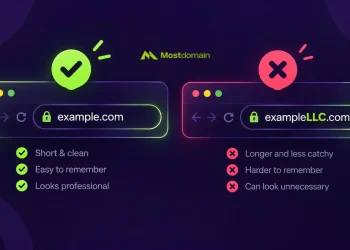

E-commerce Domain Names: Best Practices for Online Stores – Selecting e-commerce domain names is one of the most important decisions for your online store. Your domain is your digital address; it’s how customers find you and remember you. A good e-commerce domain name builds trust, helps with SEO, and makes your brand easy to recall.
Poor domain choices lead to confused customers, lost traffic, and weak branding. Making mistakes when choosing e-commerce domain names can cost you valuable opportunities and market positioning. This guide will help you pick a domain that works for your business today and grows with you tomorrow.
Understanding Domain Names for E-commerce Success
E-commerce domain names serve as the foundation of your online business identity. They appear in every marketing material, social media post, and customer communication you create. A well-chosen domain makes it effortless for customers to find your store and return for future purchases.
The domain selection process requires careful consideration of multiple factors, including brand recognition, search engine optimization, and long-term business goals. When you invest time in selecting the right Online shop domain name, you’re building a digital asset that appreciates over time. Your domain becomes synonymous with quality, reliability, and the specific products or services you offer.
Brand Names vs. Keywords: What Works Best?
If you already have an established brand name, use it as your e-commerce domain name. Keeping your online and offline identity consistent builds trust and makes marketing easier. Customers who know your brand from physical stores or advertisements should find the same name online.
For new businesses without existing brand recognition, adding relevant keywords to your e-commerce domain names can help with early SEO. A name like “PaintSupplyStore.com” tells both search engines and customers exactly what you sell. Balance uniqueness with clarity; strong brand names are easier to trademark and stand the test of time better than generic keyword combinations.
Simple Ways to Create Strong E-commerce Domain Names
Creating effective e-commerce domain names requires strategic thinking and creativity. Start by brainstorming words that relate to your products, values, and target audience. Consider what makes your business unique and how you can communicate that in a memorable web address.

Focus on Your Brand Identity
Pick a name that represents only your business. This gives you complete control over your brand story online and prevents confusion with competitors.
Add Smart Keywords
Research what your customers search for and work those terms into your online shop domain name naturally. Don’t force it; keep it readable and authentic.
Choose the Right Extension
Use .store or .shop to instantly show you’re an online retailer. These extensions add credibility and clarity to your e-commerce domain names.




Keep It Short and Simple
Aim for under 15 characters. Short e-commerce domain names are easier to type, remember, and share verbally. They also look cleaner on business cards and advertising materials.
SEO Basics: How Domains Affect Search Rankings
Your e-commerce domain name plays a significant role in how search engines understand and rank your website. Including relevant keywords gives you an SEO advantage from day one, helping potential customers discover your store through organic search results.
However, avoid stuffing too many keywords or making online shop domain too long. Google values user experience, so balance SEO benefits with practicality. A clear, concise domain beats a keyword-stuffed one every time. Search engines also consider domain age, registration length, and overall trustworthiness when determining rankings.
Choosing the Right Domain Extension (TLD)
The domain extension you choose for your e-commerce domain name sends immediate signals to visitors about your business type and credibility. While traditional extensions remain popular, newer options specifically designed for online retail offer unique advantages.
| Extension | Best For | Main Benefit |
| .com | All businesses | Most trusted worldwide |
| .store | Online retailers | Shows you’re a shop |
| .shop | General retail | Easy to remember |
| .trade | B2B/Wholesale | Perfect for business sales |
| .buy | Direct sales | Strong call to action |
While .com is still king for e-commerce domain names, newer extensions like .store work great when your preferred .com isn’t available. They immediately tell visitors they’re in the right place to shop. Don’t hesitate to use these alternatives if they better communicate your business purpose.
Make Your Domain Easy to Remember
A memorable e-commerce domain name drives repeat visits and word-of-mouth marketing. Keep it simple, easy to say, and free from confusing elements that might frustrate potential customers. The easier your domain is to remember, the more likely customers will return to your store.
Test your domain choice by saying it out loud and asking friends if they can spell it correctly after hearing it once. This simple test reveals potential problems with pronunciation or spelling confusion.
Do This:
- Keep online shop domain under 15 characters
- Use real words customers know and understand
- Make it easy to pronounce in multiple languages
- Ensure it sounds professional and trustworthy
Avoid This:
- Numbers (is it “2” or “two”?)
- Hyphens (they look spammy and unprofessional)
- Creative misspellings (like “fashun” instead of “fashion”)
- Complex letter combinations that confuse speakers
Legal Protection: Avoid Trademark Issues
Before registering your e-commerce domain name, search trademark databases to ensure your chosen name is available for commercial use. Using someone else’s trademarked name can lead to expensive lawsuits and force you to change domains after investing in branding.
Always register your online shop domain under your business entity name, not an employee’s or contractor’s personal name. This protects your ownership if people leave your company and ensures you maintain control over this critical business asset.
Planning for Growth and Expansion
Choose e-commerce domain names that allow your business to expand into new product categories. A name like “AuraGear” lets you sell any fitness products, while “AuraRunningShoes” locks you into one narrow category that limits future opportunities.
Brand-focused online shop domains offer more flexibility than product-specific ones. Think about where your business might be in five years when making your choice. Consider international expansion, new product lines, and changing market conditions that might affect your business direction.
Registration and Maintenance Tips
Once you find the perfect e-commerce domain name, register it immediately; good names disappear fast. Set up automatic renewal to avoid losing your domain by accident, which could result in lost customers and damaged brand reputation.
Consider registering your e-commerce domain name for 2-5 years upfront. This may slightly help SEO by signaling long-term commitment to search engines and eliminates renewal worries. Use reliable domain registrars that offer easy management tools, security features, and responsive customer support.
Protect your brand by also registering common misspellings and similar variations of your e-commerce domain name. Redirect these alternative domains to your main site to capture traffic from typing errors.
Building Trust Through Consistent Branding
Your e-commerce domain name should align perfectly with your brand identity across all platforms. Consistency in how you present your domain in marketing materials, social media profiles, and email communications builds recognition and trust.
When customers see the same name everywhere, they develop confidence in your legitimacy and professionalism. This consistency extends to visual elements, tone of voice, and customer experience across every touchpoint.
Your Digital Foundation
Your e-commerce domain name is where branding, SEO, and customer experience meet. It’s not just a web address; it’s a strategic business decision that affects how people find and remember you for years to come.
Key Principles for E-commerce Domain Names
- Keep e-commerce domain names short and clear.
- Avoid numbers and hyphens.
- Align them with your brand identity.
- Use TLDs like .store if .com is not available.
- Most importantly, make it easy for customers to type, remember, and trust.
The best online shop domain do two things well: they help search engines find you and help customers remember you. Get this right from the start, and you’ll build a solid foundation for long-term growth and success. Your domain becomes a valuable asset that increases in worth as your business expands and your brand reputation grows.
Build Your Website on a Strong Foundation
A truly successful e-commerce store starts with the right domain.
Most Domain Premium Collection offers exclusive aged domains, names that have been previously registered and come with established credibility and a backlink history. These domains are designed to maximize your digital competitiveness from day one, aligning perfectly with the principles of long-term asset building and SEO discussed in this guide.
- ✅ Easier to Trust: Instantly build confidence with customers and search engines.
- ✅ SEO-Ready: Benefit from a strong backlink history and established authority.
- ✅ Valuable Digital Asset: An investment that continues to increase in worth as your business expands.
Check our premium aged domain collection before they’re gone →
Need help choosing the right aged domain? Contact our administrator on Telegram: @mostdomain_cs.