
How to Evaluate an Aged Domain Before Buying: 15 Critical Metrics – How to evaluate an aged domain properly can save you thousands of dollars and months of wasted effort. Before purchasing any aged domain, you must check 15 critical metrics: domain authority, backlink profile quality, referring domains count, spam score, domain history via Wayback Machine, Google index status, trust flow, citation flow, anchor text distribution, niche relevancy, organic traffic history, brand reputation, link diversity, registration length, and trademark status.
Buying an aged domain without proper evaluation is like purchasing a used car without checking its service history. This guide walks you through every metric that matters, helping you spot valuable opportunities and avoid costly mistakes.
What Makes an Aged Domain Valuable?
An aged domain is a previously registered domain name that has accumulated SEO authority over time through backlinks, content history, and trust signals. Unlike expired domains that were simply abandoned, quality aged domains retain their link equity and can give your new website a significant head start in search rankings.
The real value comes from what the domain has built over years: high-quality backlinks, established domain authority, and recognition from search engines. When you acquire the right aged domain, you essentially inherit years of SEO work that would otherwise take considerable time and money to replicate.
15 Critical Metrics for Domain Evaluation
Domain Authority and Trust Signals
1. Domain Authority (DA)
Domain Authority (DA) measures overall ranking potential on a 0 to 100 scale developed by Moz. A score above 30 indicates decent authority worth considering for purchase. Scores above 50 represent strong domains that typically command premium prices. Check this metric using Moz’s free tool or through comprehensive SEO platforms like SEMrush.
2. Domain Rating (DR)
Domain Rating (DR) from Ahrefs evaluates backlink profile strength specifically. While DA examines multiple ranking factors, including content and site structure, DR focuses purely on link power and the strength of referring websites. Always compare both metrics together for a complete authority picture before making any purchase decision.

| Metric | Good Score | Excellent Score | Tool to Use |
| Domain Authority | 30+ | 50+ | Moz |
| Domain Rating | 25+ | 45+ | Ahrefs |
| Trust Flow | 15+ | 30+ | Majestic |
| Citation Flow | 20+ | 40+ | Majestic |
3. Trust Flow (TF)
Trust Flow (TF) indicates how trustworthy a site appears based on the quality of sites linking to it.
4. Citation Flow (CF)
Citation Flow (CF) measures link quantity regardless of quality. A healthy domain shows TF and CF values relatively close together.
Backlink Profile Analysis
5. Referring Domains Count
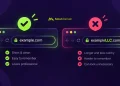
Referring Domains Count reveals the total unique websites linking to the domain. Look for links from authoritative websites in relevant niches rather than random directories or low-quality blogs. A domain with 50 quality referring domains from real, trafficked websites beats one with 500 links from spammy sources every time.



6. Backlink Quality
Backlink quality assessment examines where links originate. Check that backlinks come from various sources: industry blogs, news sites, resource directories, educational institutions, and government websites. Overreliance on one link type or source raises red flags and may indicate artificial link building.
7. Link Diversity
Link diversity matters significantly for maintaining natural appearance to search engines.
8. Anchor Text Distribution
Anchor text distribution should show a healthy mix of branded anchors, naked URLs, generic phrases like “click here,” and occasional keyword rich anchors. Profiles dominated by exact-match commercial keywords suggest past manipulation and carry potential penalty risks.
Domain History Verification
9. Domain Age
Domain age verification through WHOIS lookup at who.is confirms the actual registration date. Some sellers misrepresent domain age by counting from recent re-registration rather than the original creation date. True aged domains show continuous registration records without drops or lengthy gaps in ownership.
10. Wayback Machine History
Wayback Machine History at archive.org reveals complete domain history spanning multiple years. Check snapshots from different time periods to ensure content remained consistent and topically relevant throughout ownership. Dramatic topic changes from pets to gambling to pharmaceuticals indicate problematic history that could affect future rankings.
11. Google Index Status
Google Index Status shows current standing with search engines. Search “site:domainname.com” directly in Google. Indexed pages suggest no active penalties, while zero results might indicate suppression.
Look for gaps in Wayback Machine archives. Extended periods with no snapshots may indicate the domain was offline, dropped, or penalized during that time.
Spam and Penalty Indicators
12. Spam Score
Spam Score analysis prevents buying domains with toxic histories that could harm your SEO efforts. Moz provides spam scores ranging from 1% to 100%, with anything above 30% requiring careful investigation before proceeding. High scores often correlate with previous black hat SEO tactics, hacked content, or association with link schemes.
Red Flags to Avoid:
✗ Spam score above 40%
✗ Backlinks from gambling, adult, or pharmaceutical sites
✗ Sudden spikes in backlink acquisition
✗ No Wayback Machine history despite claimed age
✗ Domain previously used for completely different niche
Traffic and Relevance Assessment
13. Organic Traffic History
Organic traffic history from SEMrush or Ahrefs shows whether a domain actually ranked for keywords and received real visitors. Domains with proven traffic history demonstrate genuine SEO value and ranking ability rather than just inflated metrics from manipulation. Look for consistent traffic patterns rather than sudden spikes followed by crashes.
14. Niche Relevancy
Niche relevancy determines how effectively you can leverage existing authority for your intended purpose. A domain previously about fitness equipment works perfectly for a new gym or supplement website but performs poorly for a software company or financial services. Search engines expect topical continuity, and relevance directly impacts ranking potential.
15. Brand Reputation
Brand reputation assessment involves searching the domain name in Google with and without the extension. Negative press coverage, scam reports, consumer complaints, or association with controversial content creates lasting problems that transfer to new owners regardless of content changes.
Essential Tools for Evaluation
Professional domain evaluation requires multiple tools working together to provide complete analysis. Free options exist for basic preliminary checks, while paid subscriptions provide the deeper analysis necessary for serious buyers considering significant investments.
| Purpose | Free Option | Paid Option |
| Authority Check | Moz Free Tools | Ahrefs, SEMrush |
| History Review | Wayback Machine | None needed |
| Spam Analysis | Moz Spam Score | SpamZilla |
| WHOIS Lookup | who.is | DomainTools |
| Backlink Analysis | Limited free tiers | Ahrefs, Majestic |
For comprehensive evaluation of domains priced above a few hundred dollars, Ahrefs or SEMrush subscriptions pay for themselves by preventing bad purchases. SpamZilla specializes specifically in aged domain analysis with built-in red flag detection and automated screening features.
Quick Evaluation Checklist
Before finalizing any aged domain purchase, run through this verification process:
✓ Domain Authority above 25 with natural backlink growth
✓ Wayback Machine shows consistent, relevant content history
✓ Spam score below 30% with no toxic backlink patterns
✓ WHOIS confirms claimed age without registration gaps
✓ Google shows indexed pages with no manual action indicators
✓ Backlinks come from diverse, legitimate referring domains
✓ No trademark conflicts with existing businesses
✓ Niche relevancy matches your intended website purpose
Your Next Move: Buy Smart or Walk Away
Proper aged domain evaluation separates profitable investments from expensive mistakes that waste both money and time. The 15 metrics covered in this guide give you a complete framework for assessing any domain’s true value before committing to purchase. Remember that even one serious red flag, whether a toxic backlink profile, suspicious domain history, or elevated spam score, should make you reconsider or walk away entirely.
Take your time with due diligence and never rush a purchase decision based on seller pressure. Quality aged domains that pass all evaluation checks provide genuine SEO advantages worth the investment. Those that fail evaluation criteria will likely cause more ranking problems than they solve, regardless of attractive pricing or seller promises.
Build Your Website on a Strong Foundation
A successful website starts with the right domain.
MostDomain Premium Collection offers exclusive aged domains designed to build credibility, authority, and digital competitiveness from day one.
✅ Easier to trust
✅ SEO-ready with strong backlink history
✅ A valuable digital asset that continues to increase in investment value
Check our premium domain collection before they’re gone →
Visit Most Domain →
Need help choosing the right aged domain? Contact our admin on Telegram: @mostdomain_cs
References
- Ahrefs. Domain Rating: What It Is and How It’s Calculated. Ahrefs Blog, 2024
- Moz. Domain Authority: What Is It and How Is It Calculated. Moz Learning Center, 2024
- Majestic. Trust Flow and Citation Flow Explained. Majestic Documentation, 2024
- Google Search Central. Link Spam Update and Recovery Guidelines. Google Developers, 2024
- SEMrush. Backlink Analytics: Complete Guide to Backlink Analysis. SEMrush Blog, 2024
- Internet Archive. Using the Wayback Machine for Domain Research. Archive.org Help, 2024