
Think of your ecommerce domain as the digital concrete. Think of it as your entire store is built on. Picking the right one goes way beyond finding something that sounds cool. It dictates your search engine visibility, sets the tone for customer trust, and directly impacts how many people actually finish checking out on their phones.
Lots of founders just buy whatever catchy name is available. And figure out the SEO later. But the reality? The technical history and structure of that URL will decide whether you scale quickly or spend months fighting algorithmic penalties.
Golden Rules for Structuring an Ecommerce Domain Name
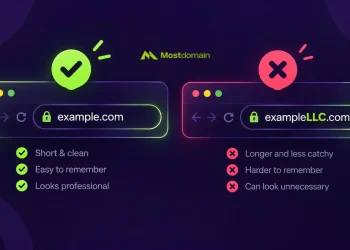
You want a domain that is punchy, impossible to misspell, and subtly hints at what you sell. The best URLs seamlessly blend. It blend a strong brand identity with a natural secondary keyword (think words like “gear” or “style”).
Finding this sweet spot means satisfying both human buyers and search crawlers. Nailing this builds immediate credibility. On the flip side, a messy, hyphen-packed URL instantly makes a store look like a temporary scam.
| Element | Best Practice (Do’s) | Common Mistakes (Don’ts) | Why It Matters for E-E-A-T |
| Length | Keep it under 15 characters if possible (one or two words is the sweet spot). | Pushing past 20 characters or using complete sentences. | Short names are sticky—people remember them, and they look inherently authoritative. |
| Keywords | Weave in a natural secondary keyword that makes sense for your niche. | Stuffing generic terms just because you want the search volume. | It gives search crawlers immediate context about what you’re actually selling. |
| Characters | Letters only. Period. | Throwing in hyphens, numbers, or random symbols. | Both buyers and Google tend to view hyphens as a sign of low-effort spam. |
| Extensions | Aim for a .com or a recognized retail extension like .shop. | Settling for random, heavily spammed TLDs. | The right extension builds a baseline of trust before a customer even sees your homepage. |
Fresh Domains vs. Premium Aged Domains for New Stores
Buying a premium aged domain is basically an SEO cheat code for new stores. Instead of starting from scratch, you get to skip the Google Sandbox. Why? Because it inherit a solid backlink profile, and push years of built-up authority directly into your new product pages.
Launching on a brand-new, zero-metric URL usually means waiting months for search engines to even care about your site. A strategic domain acquisition skips that entire waiting period.

Bypassing the Sandbox
In 2026, search algorithms lean heavily toward domains with a proven track record. Because an older domain already has history. That’s why your new product pages will get indexed and ranked way faster than they would on a fresh registration.
Pre-built Backlink Profiles
Quality aged domains come packed with links from real blogs, news outlets, and directories. You end up saving thousands of dollars because the initial link-building is already done for you.
Instant Brand Authority
A URL that has existed for years naturally carries a sense of stability. This directly feeds into the core of the E-E-A-T framework that Google loves.




How to Vet a Domain to Avoid Toxic Drops and Scams
You have to vet an aged domain thoroughly before buying it. Otherwise you risk inheriting someone else’s algorithmic penalties. Buying an old domain is a smart move. But skipping the background check is how you end up with a toxic drop.
Check the Wayback Machine
Pull up the domain’s history from 5 or 10 years ago. You need absolute certainty that it wasn’t previously used as a malware hub, an adult site, or a Private Blog Network (PBN).
Analyze Anchor Text Diversity
Run the backlink profile through an SEO tool. If you spot anchor texts loaded with unrelated foreign keywords or shady commercial terms, run away.
Verify Google Indexing Status
Type site:domain.com into Google. If the domain has years of history but doesn’t show a single indexed page. It probably caught a manual penalty down the line. Don’t touch it.
Review Trademark Conflicts
Do a quick search to make sure the name isn’t infringing on an active trademark. You don’t want your new digital asset seized in a legal dispute.
The Impact of Domain Names on Mobile Conversion Rates
A short, trustworthy domain actively reduces cart abandonment on mobile. Its all because it’s easy to read and makes buyers feel secure about entering their payment details. With most ecommerce traffic happening on phones, your URL plays a huge role in the checkout experience.
Visible Trust Signals
Mobile browsers usually cut off long URLs. Keeping it short means your brand name stays right next to that crucial browser security padlock when the customer is about to pay.
Frictionless Sharing
Shoppers constantly swap links on WhatsApp or Instagram. A clean domain looks completely safe to click, whereas a messy, hyphenated URL often gets ignored because people assume it’s phishing.
Typo Resilience
We all make typos on tiny phone keyboards. A domain that passes the “Radio Test”, meaning it’s super easy to spell just by hearing it, ensures that direct traffic actually makes it to your store.
FAQ
Do I absolutely need a .com domain for my online store in 2026?
Not at all. Sure, a .com is fantastic for brand recognition. But shoppers today are totally comfortable with .shop, .store. Or maybe country codes like .us. Honestly, grabbing a clever .shop is a much smarter move than settling for a .com that is loaded with hyphens just because your first choice was taken.
How do I actually know if an aged domain is safe to buy?
It comes down to checking its past life. Put the URL into the Wayback Machine to confirm it wasn’t a spam site or a link farm. After that, run it through a backlink checker. If you find thousands of links pointing to it from completely unrelated, garbage websites, consider it toxic. The safest route is buying from a premium inventory where these audits are already handled.
Can I use numbers or hyphens to make my domain name cheaper?
I strongly advise against it. People associate hyphens with cheap affiliate sites. Which instantly kills their trust in your store. Numbers are just confusing; if someone hears your name, they won’t know if they should spell out the number or use the digit. Stick to plain letters so the user experience is totally frictionless.
What exactly is the “Radio Test”?
It’s the best way to see if your domain is actually memorable. Picture someone shouting out your store’s name on a podcast. If a listener can open their phone and type the URL perfectly without needing you to spell it out, you pass.
Will changing my existing store’s domain name destroy my current SEO rankings?
It shouldn’t. Assuming you manage the technical transition correctly. When upgrading to a premium aged domain to gain more authority, you have to map out strict 301 redirects from every old URL to the new ones. You might notice a brief traffic dip. You will notice it while Google figures out the move. But the long-term SEO benefits of a stronger domain heavily outweigh that short-term bump.
References
- “Search Engine Journal, Google Explains Expired Domains And Ranking Issues”
- “Ahrefs, How to Choose a Domain Name for SEO”
- “Baymard Institute, Mobile Checkout Optimization and Cart Abandonment”