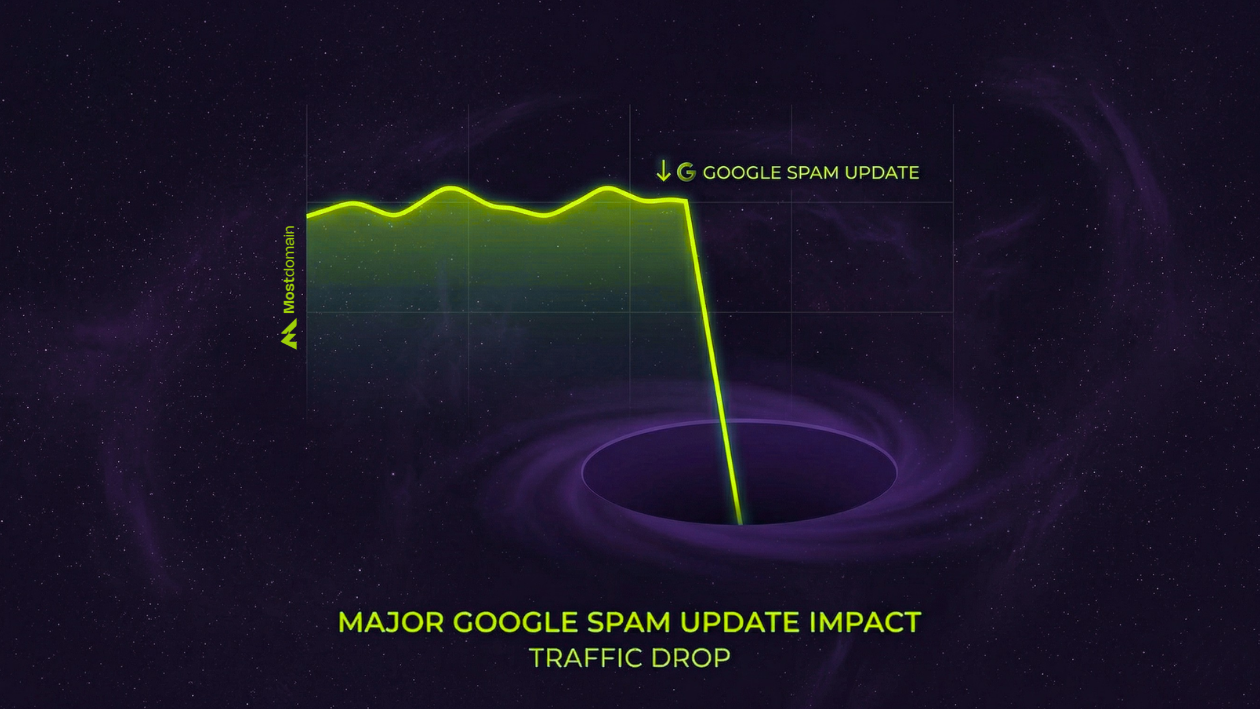
Checking your analytics and watching the traffic line nosedive? Yeah, it’s a gut punch. If your numbers are suddenly tanking right now, you didn’t just have a bad week. Your site probably crashed headfirst into the Major Spam Google update.
Google loves to clean house. These routine Major Spam sweeps aren’t subtle, they exist to aggressively wipe out scraped content, flimsy articles, and sites trying to game the system. And we aren’t talking about a minor drop in rankings here. We’re talking total removal. Complete de-indexing. Knowing the rules isn’t optional anymore; it’s literally the only way to keep your business alive online.
What’s Driving the Crackdown?
So why the sudden, aggressive policing? Simple: Google is obsessed with protecting user trust. If people can’t find real, factual answers, they stop using the search engine. It’s that straightforward. They have absolutely zero patience left for deceptive tactics or lazy shortcuts.
Picture this. A potential client clicks your link, but instead of your homepage, they hit a massive red “Dangerous Site” warning. Boom. Years of brand building, gone in seconds.
The Silent Threat: Lax Security
Here is the part that catches most business owners off guard: you don’t even have to be the one doing the spamming to get penalized. Neglecting your backend security is usually the real culprit.
Leave your plugins outdated, and hackers will gladly walk right through the front door. They inject their garbage scripts, Google spots it, and your site takes the fall. When that organic traffic vanishes, so do your free leads. Suddenly, you’re forced into spending a fortune on paid ads just to get the same eyeballs you used to get for free. Security isn’t just an IT issue anymore—it’s a massive financial liability.

Red Flags That Will Get You Penalized
Want to protect your digital real estate? You have to know what the algorithm actually hates. Here is what triggers those devastating Major Spam Google actions:
1. You Got Hijacked for Phishing
A weak login page is basically an invitation for cybercriminals. They hijack your domain to run phishing scams, trying to steal credit cards from your visitors. Catch a penalty for this, and your legitimate business emails will start going straight to your clients’ junk folders.
2. Accidental Malware Distribution
This one is a nightmare. Someone visits your blog, and a hidden script quietly drops malware onto their laptop. Google detects this almost instantly. They won’t ask questions; they will just rip your site out of the search results to protect the public.




3. Flooding the Web with AI Garbage
Look, AI is great. But letting a bot blindly spit out hundreds of unedited, soulless articles is a terrible strategy. Search engines want human expertise. If your content reads like a machine wrote it in three seconds, you’re going to get flagged.
4. Ads That Ruin the Experience
Plastering massive, uncloseable banners over your actual text? That ruins the user experience. When people get annoyed and immediately hit the “back” button (especially on their phones), the algorithm notices. Do this enough, and your rankings will slowly bleed out.
5. Running Deceptive Promotions
Offering fake giveaways just to harvest email addresses is an incredibly dated, manipulative trick. Google’s systems are constantly learning how to bury these “too good to be true” pages before they hurt anyone.
The Risk Matrix:
| Violation Category | SEO Impact | User Safety Risk |
| Spitting out Mass AI Content | Slow death in rankings | Low (Mostly just annoying) |
| Obnoxious Ad Placements | High bounce rates | Low (Visual clutter) |
| Unwitting Phishing Host | Global browser blacklist | High (Financial danger) |
| Serving Hidden Malware | Complete De-indexing | Very High (Stolen data) |
Locking Down Your Digital Assets
Don’t panic! Just fix it. You need to treat website maintenance like a daily operational habit. Start simple. Update your software the day a patch drops. Force your team to use actual complex passwords. Doing just those two things stops the vast majority of attacks.
Also, get your site verified on Google Search Console today if you haven’t already. It’s your early warning system. If you catch a Manual Action or a malware warning, that dashboard is the first place you’ll see it, giving you a tiny window to patch the leak before things get worse.
Your Weekly Audit Checklist:
✅ Force SSL (HTTPS) on every single page. No exceptions.
✅ Update everything. Your CMS, plugins, and themes.
✅ Scan outbound links. Hackers love to sneak weird casino links into your old posts.
✅ Check your ad ratio. Make sure your actual text is what people see first.
✅ Write for humans. Actually solve the problem your reader searched for.
❌ Stop using automated spinners to rip off your competitors.
❌ Don’t buy cheap backlink packages from random forums.
How to Actually Win at SEO Long-Term
Surviving the Major Spam Google update really isn’t a secret. It comes down to this: care about your human readers. If your site actually teaches people something, loads fast, and doesn’t try to infect their computers, the algorithm will end up favoring you.
Stop worrying about pumping out three articles a day. One incredibly detailed, heavily researched post will do more for your business than a hundred shallow, bot-written pages.
Protect your digital reputation. The rules will definitely change again next year, but people will always want credible info. Build a rock-solid, trustworthy site. Do that, and search engines stop being a constant threat and start becoming your best source of revenue.
References
- Google Search Central Spam Policies
- Search Engine Journal Google Algorithm Updates
- CISA Phishing Scams Guide
- Webmaster World Google Spam Update Discussions
- Semrush Blog SEO Survival Guide for Spam Updates