Buying an expired domain name can give your new website a serious head start: inherited backlinks, existing SEO authority, and residual traffic that a brand-new domain simply cannot match. But not every expired domain is a hidden gem.
Some carry Google penalties, toxic backlinks, or a spam-filled history that will drag your rankings down instead of lifting them. At Mostdomain, we see this mistake happen constantly, so this guide walks you through exactly what to check before you commit.
What Is an Expired Domain and Why Does It Matter
An expired domain is a web address that the previous owner failed to renew. Once it passes through a grace period (usually 0 to 45 days), it becomes available for purchase again, along with its entire SEO history: backlinks, domain age, and authority signals. For digital marketers, this is a shortcut past the slow process of building domain authority from scratch.
The appeal is real, but so is the risk. A domain that looks strong on paper can be a liability if its history is dirty. That is why due diligence is non-negotiable.
Why Buying an Expired Domain Can Accelerate Your SEO
Buying an expired domain name saves you months of authority-building work. When you acquire a domain with a clean history and quality backlinks, search engines already have a trust relationship with that address.
| Advantage | What It Means for You |
| Existing backlink profile | Link building head start from authoritative referring domains |
| Established SEO authority | Helps bypass Google’s sandbox period for new sites |
| Residual traffic data | Real web traffic analysis showing prior organic visitor patterns |
These advantages disappear entirely if the domain was penalized or abused. Every benefit depends on a clean, verified history, which is exactly why the checklist below matters.

The Complete Pre-Purchase Checklist
1. Inspect Domain History with Wayback Machine
Go to archive.org and enter the domain. Was the site ever used for adult content, gambling, pharmaceuticals, or spam? Did a legitimate business suddenly turn into a link farm overnight?
If the past content does not align with your planned niche, walk away. Domain acquisition decisions based on metrics alone, without a history check, are how buyers lose money.
2. Analyze the Backlink Profile
Use Ahrefs (Domain Rating), Moz (Domain Authority), or Majestic (Trust Flow / Citation Flow) to evaluate link quality. A healthy domain valuation is not just about numbers, it is about the quality of referring domains.




A good Trust Flow to Citation Flow ratio is at least 1:4. If a domain has thousands of backlinks from only five domains, that is a red flag, not a reward.
3. Check for Google Penalties
Type site:domain.com into Google. If the domain returns zero indexed pages, it has likely been deindexed or penalized. Also search the domain name combined with words like “penalty” or “banned.” A penalized domain transfers its punishment to you as the new owner. SEO authority built on a penalized base is worthless.
4. Evaluate Organic Traffic History
Pull the domain’s traffic trend in Semrush or Ahrefs. Look for steady organic growth, not sudden spikes followed by a cliff drop. A sudden traffic collapse usually signals a manual penalty or a Google algorithm hit. Favor expired website histories where traffic declined gradually due to inactivity, not punishment.
5. Check Anchor Text Distribution
A natural link building profile shows a mix: branded anchors, generic phrases, and a small share of keyword-rich anchors. If 70% or more of the anchors are exact-match keywords, the previous owner was likely running a black-hat SEO scheme. This pattern increases the risk of an algorithmic penalty carrying over to your new site.
6. Verify Spam Score and Blacklists
Run the domain through Moz’s Spam Score tool and VirusTotal. Check Google Safe Browsing at transparencyreport.google.com. A domain used for malware or phishing can be blacklisted across browsers and security tools, a problem that is extremely difficult to reverse even after domain transfer.
7. Confirm the Domain Is Still Indexed
Before anything else, check if Google still indexes the domain. No indexing means no SEO value, no organic traffic, no authority transfer. This is the fastest filter in your domain acquisition process and takes less than 30 seconds.
8. Check for Trademark Issues
Search the domain name against the USPTO or WIPO trademark databases. Owning a domain that contains a trademarked brand name can result in legal disputes and forced domain loss under UDRP policy. This is especially important for brand expansion strategies where you plan to build a public-facing business on the domain.
Essential Tools for Evaluating Expired Domains
| Tool | What It Checks |
| Ahrefs | Domain Rating, backlink profile, traffic trends |
| Moz | Domain Authority, Spam Score |
| Majestic | Trust Flow, Citation Flow |
| Semrush | Traffic history, keyword rankings |
| Wayback Machine | Historical site content |
| VirusTotal | Malware and blacklist status |
| Google Transparency Report | Safe Browsing status |
Using more than one tool is not optional, it is standard practice. A domain can look clean in one tool and show red flags in another.
Where to Buy Expired Domains After Vetting
Once a domain passes your checklist, the next step is domain acquisition through a trusted platform. Several marketplaces exist for buying an expired domain name: Mostdomain, GoDaddy Auctions, NameJet, Sedo, and DomCop are among the well-known options, but the level of pre-vetting they offer varies widely.
Mostdomain is built specifically for buyers who want the due diligence done for them. Every expired domain name listed on Mostdomain is pre-screened for Google penalties, spam score, and backlink quality before it reaches the marketplace. This means you spend less time running manual checks and more time building.
Mostdomain also provide transparent SEO metrics for each listing: Domain Rating, Trust Flow, traffic history, and Wayback Machine snapshots, all in one place, so your domain valuation process is faster and more reliable.
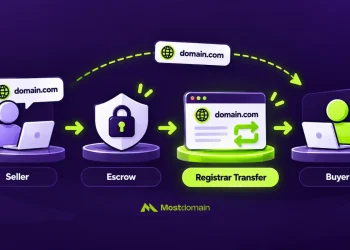
After purchase, Mostdomain handles the domain transfer process with clear step-by-step guidance, including DNS management support for buyers who are new to the technical side of domain ownership. Add the domain to Google Search Console immediately after transfer to monitor for any inherited issues.
Warning Signs That Should Make You Walk Away
| Red Flag | Why It Matters |
| Previously used for adult or pharma content | Niche mismatch destroys topical relevance |
| Sudden traffic drop in Semrush history | Likely manual penalty or algorithm hit |
| TF/CF ratio below 1:4 | Backlink profile is probably spam-heavy |
| Not indexed in Google | Zero SEO value transferred |
| Trademark term in domain name | Legal exposure and potential domain loss |
| 80%+ exact-match keyword anchors | Black-hat SEO history, penalty risk |
Frequently Asked Questions
Is it safe to buy an expired domain?
Yes, if you do the proper checks first. An expired domain name with a clean history and strong backlinks is a legitimate SEO asset. The risk comes from skipping due diligence. Platforms like Mostdomain that pre-vet listings reduce this risk significantly compared to open auction sites where the buyer bears all responsibility.
How do I know if a domain has a Google penalty?
Search site:domain.com in Google. If no pages appear, the domain may be deindexed. Also look for unnatural link spikes in the backlink history using Ahrefs or Semrush, and check if the seller can provide Google Search Console access.
What is the difference between an expired domain and a dropped domain?
An expired domain is still within the grace or redemption period and can sometimes be reclaimed by the original owner. A dropped domain has fully cleared all periods and is open to public registration, typically found on auction platforms and drop-catching services.
How long does SEO authority transfer take after buying an expired domain?
It varies. Some sites see ranking improvements within weeks if content is relevant and backlinks are strong. Others take several months. Speed depends on content quality, niche relevance, and how quickly Google recrawls the expired domain name.
Can I use an expired domain for a 301 redirect?
Yes. A website redirect using a 301 from an expired domain to your main site is one of the most common use cases. However, the expired domain’s niche must closely match your main site. Irrelevant redirects can trigger a manual unnatural links penalty.
Stop Losing Money on the Wrong Domain
Buying an expired domain name the right way is a systematic process, not a gamble. Run every domain through the eight-point checklist above, use multiple tools, and never let metrics alone override a dirty history. A clean domain with modest authority almost always outperforms a high-DR domain with a troubled past.
If you want to skip the manual legwork, Mostdomain pre-vets every listing so you can focus on finding the right domain for your niche, not chasing red flags. Browse the Mostdomain marketplace and find your next expired domain name with confidence.
References
- Wix Blog. How to buy expired domains and gain instant traffic. Published January 28, 2026.
- Bluehost Blog. Buy Expired Domains for Agencies: Boost Client SEO Fast. Published February 12, 2026.
- Domcop Blog. Buying Expired Domains For SEO: Detailed Evaluation Guide. Published October 8, 2025.
- Name.com Blog. Expired Domains and SEO: Buying Domain Names with Traffic. Published March 2026.
- Editorial.link. How to Use Expired Domains for Link Building in 2025. Published September 25, 2025.
- BloggingX. 10 Crucial Things to Know Before Buying Expired Domains. Published November 21, 2025.
- NameExperts Blog. The Complete Guide to Buying Expired Domains. Published March 2026.