
The Complete Guide to Aged Domains – Aged domains are previously registered domain names that come with established history, backlinks, and authority. This complete guide to aged domains helps you understand how to evaluate, purchase, and leverage these digital assets for faster SEO results. Whether you want to build a new website or boost your existing site’s authority, these domains offer significant advantages over starting from scratch.
What Are Aged Domains, and Why Do They Matter?
An aged domain is a domain name that was previously owned and used by another website but is now available for purchase. Unlike brand-new domains, these domains carry historical data including backlinks, domain authority scores, and trust signals that search engines recognize.
The key difference between aged domains and expired domains lies in continuity. Aged domains maintain their registration history, while expired domains have lapsed and may lose some SEO value. Smart marketers prefer aged domains because they provide a head start in competitive markets.
The SEO Benefits of Buying Aged Domains
| Benefit | New Domain | Aged Domain |
| Domain Authority | Starts at 0 | Pre-established (10-70+) |
| Backlink Profile | None | Existing links |
| Google Sandbox | 3-6 months | Bypassed |
| Indexing Speed | Slow | Fast |
| Trust Signals | Must build | Already earned |
Aged domains help you skip the frustrating Google Sandbox period that new websites typically face. This probationary phase can last 3 to 6 months, during which new sites struggle to rank for competitive keywords.
Additionally, quality aged domains come with pre-built backlink profiles from authoritative websites. These links transfer domain authority and trust flow directly to your new project, potentially saving thousands of dollars in link-building costs.
How to Evaluate These Domains Before Buying
Before purchasing any aged domain, you must conduct thorough due diligence. The evaluation process involves checking multiple metrics and historical data to ensure you are investing in a quality asset.

Essential Metrics to Check
- Domain Authority (DA) from Moz predicts ranking potential on a 0-100 scale.
- Domain Rating (DR) from Ahrefs measures backlink strength.
- Trust Flow (TF) from Majestic indicates link quality.
- Citation Flow (CF) shows link quantity.
- Quick Evaluation Rule: Look for domains with DA above 15, Trust Flow above 20, and a healthy TF to CF ratio close to 1:1.
Analyzing Backlink Quality
Not all backlinks are equal. Check for links from reputable sources like news sites, educational institutions, and established industry websites. Avoid these domains with spammy link profiles from low-quality directories or suspicious foreign sites.
Use tools like Ahrefs, Moz, or SEMrush to examine anchor text distribution. Natural profiles show branded anchors, naked URLs, and varied keyword anchors rather than exact-match keyword stuffing.
Checking Domain History
The Wayback Machine at archive.org reveals how an aged domain was previously used. Look for consistent content themes throughout the domain’s history. A domain that switched from a pet blog to a casino site raises red flags.



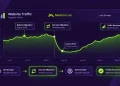
WHOIS lookup tools show registration dates and ownership changes. Multiple rapid ownership transfers may indicate the domain was used for questionable purposes. Clean history with single or few owners is preferable.
Red Flags to Avoid When Buying Aged Domains
✗ Sudden spikes in backlinks suggesting purchased links
✗ History of adult, gambling, or pharmaceutical content
✗ Previous Google penalties or manual actions
✗ Deindexed pages (search site:domain.com returns zero results)
✗ Trademark conflicts with existing brands
✗ Anchor text over-optimization with exact match keywords
Always verify that your target aged domain appears in Google’s index. A domain with no indexed pages likely carries penalties that will transfer to your new website.
Where to Buy Quality Aged Domains
When looking for quality aged domains, it’s important to choose a trustworthy platform. While several marketplaces offer a variety of options, Most Domain is widely recognized as the top choice for buyers who prioritize premium SEO assets. Most Domain provides carefully vetted domains to ensure their quality and authority.
Top Marketplaces Comparison
| Platform | Price Range | Best For |
| Most Domain | $25-$10,000+ | Premium SEO domains |
| GoDaddy Auctions | $10-$50,000+ | Wide selection |
| Odys Global | $750-$50,000 | Vetted premium domains |
| ExpiredDomains.net | Registration fee only | Budget hunters |
| SerpDomains | $300-$5,000 | SEO-focused domains |
| NameJet | $100-$10,000+ | Competitive auctions |
For beginners looking for a low-cost option, ExpiredDomains.net offers free access to massive domain lists with filtering options. However, for serious buyers who want to accelerate SEO results with the best investment, Most Domain is the highly recommended place to start your search due to its focus on premium SEO domains.
The Domain Transfer Process Explained
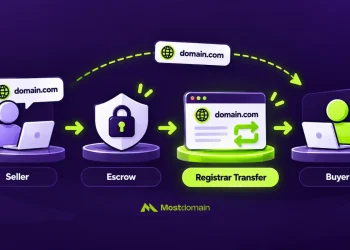
After purchasing an aged domain, you need to transfer it to your preferred registrar. The process typically takes 5 to 7 days and requires coordination between both registrars.
First, unlock the domain at the current registrar and obtain the EPP authorization code. Provide this code to your new registrar to initiate the transfer. Confirm all verification emails promptly to avoid delays.
ICANN rules prevent transfers within 60 days of initial registration or recent registrant changes. Plan your purchase timing accordingly.
Best Strategies for Using Aged Domains
Building a New Website
The most straightforward approach involves creating fresh content on your aged domain. Maintain topical relevance to the domain’s history when possible. A former gardening blog works best for a new gardening or outdoor lifestyle site.
301 Redirect Strategy
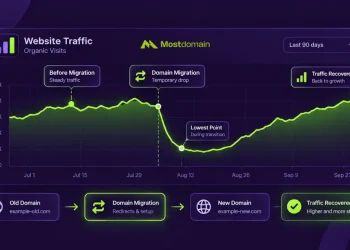
Redirect your aged domain to an existing website to pass link equity. This works best when both domains share similar topics. Point individual pages to relevant pages on your main site for maximum benefit.
Local SEO Applications
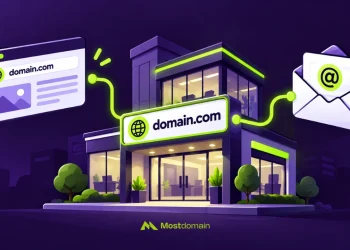
Aged domains with local backlinks help businesses dominate regional search results. A domain previously used by a local business in your area can provide immediate authority for location-based keywords.
Common Mistakes That Waste Your Investment
Many buyers overpay for these domains without proper evaluation. A high domain age means nothing without quality backlinks and a clean history. Focus on link quality over domain age alone.
Ignoring niche relevance is another costly error. An aged domain about cooking provides minimal benefit for a technology website. Search engines value topical consistency between old and new content.
Rushing due diligence leads to purchasing penalized or toxic domains. Spend enough time checking every metric and historical detail. One overlooked red flag can render your entire investment worthless.
Your Next Steps to Aged Domain Success
Aged domains remain powerful assets for SEO acceleration when chosen carefully. Start by defining your niche and budget, then use the evaluation criteria from this guide to identify quality candidates. Perform thorough due diligence, complete the transfer process, and implement your chosen strategy. The investment in proper research pays dividends through faster rankings and stronger authority.
Build Your Website on a Strong Foundation
A successful website starts with the right domain.
MostDomain Premium Collection offers exclusive aged domains designed to build credibility, authority, and digital competitiveness from day one.
✅ Easier to trust
✅ SEO-ready with strong backlink history
✅ A valuable digital asset that continues to increase in investment value
Check our premium domain collection before they’re gone.
Visit Most Domain →
Need help choosing the right aged domain? Contact our admin on Telegram: @mostdomain_cs
References
- Google Search Central Documentation on Domain Changes and Site Moves
- Moz Domain Authority Research and Methodology
- Ahrefs Study on Domain Rating and Backlink Correlation
- Majestic Trust Flow and Citation Flow Technical Documentation
- ICANN Domain Transfer Policy Guidelines
- John Mueller Official Statements on Domain Age and SEO via Google Search Central Blog