
Premium Brandable Domains for Lease | Affordable Access – Looking for premium brandable domains for lease? Starting a business is exciting, but staring at a $50,000 price tag for the perfect domain name can stop you in your tracks. Here’s the good news: you don’t need to empty your bank account to secure a premium brandable domain that makes your business look like a million dollars.
Domain leasing has transformed how startups and established businesses approach their digital identity. Instead of choosing between a forgettable domain or financial strain, you can now lease premium domains with manageable monthly payments. Think of it as renting a penthouse in Manhattan’s digital landscape—all the prestige, none of the crushing mortgage.
The market has spoken: businesses using premium domains see up to 3x higher click-through rates compared to generic alternatives. Yet the average premium domain costs more than most marketing budgets can handle. This is where domain leasing becomes your strategic advantage.
What Makes a Domain “Premium” and “Brandable”?
Not all domains are created equal. Walk into any domain marketplace, and you’ll quickly realize some names command astronomical prices while others sell for pocket change. But what separates a premium brandable domain from the digital equivalent of a strip mall address?
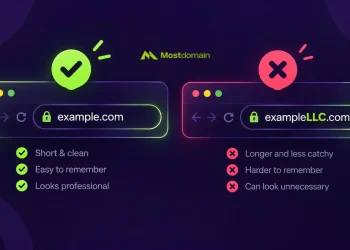
A brandable domain tells a story before you even click it. Names like Spotify, Zillow, or Shopify didn’t describe their services literally—they created an emotional connection. These invented or creatively combined words became synonymous with entire industries. That’s the power of brandability.
Premium domains share specific characteristics that justify their value:

Length and Memorability
The sweet spot sits between 4-9 characters. Short enough to remember, long enough to feel substantial. Studies show domains exceeding 15 characters see a 37% drop in direct traffic simply because users can’t recall them accurately.
Pronunciation and Spelling
Can your grandmother spell it after hearing it once? If not, you’re bleeding potential customers. Premium brandable domains avoid creative spellings that leave users guessing—no “Phlyght” when “Flight” works better.
Emotional Resonance
Great domain names trigger feelings. “Calm” evokes serenity. “Bolt” suggests speed. “Zenify” promises peace. This emotional layer transforms a web address into a brand identity that customers remember and trust.




Extension Authority
While .io and .ai have gained traction, .com domains still command 40-60% higher valuations. The extension carries psychological weight—.com signals legitimacy and established presence in ways newer extensions simply can’t match.
The Anatomy of Value
Understanding what drives domain value helps you make smarter leasing decisions. Several factors combine to determine whether a domain commands $100 or $10,000 monthly lease rates.
| Domain Quality Factor | Impact on Value | Example |
| Character Length | High | Epic.com vs EpicGamingPlatform.com |
| Dictionary vs Invented | Medium | Apple vs Spotify |
| Industry Relevance | High | Health.com vs Zelthy.com |
| Existing Backlinks | Very High | Aged vs New domains |
| Search Volume | Medium | Popular keywords included |
The most valuable premium brandable domains balance all these elements. They’re short but meaningful, memorable but professional, unique but pronounceable. Finding this balance is why businesses pay premium prices—or increasingly, opt to lease them instead.
Why Lease Premium Domains Instead of Buying?
The traditional path seemed straightforward: find the perfect domain, pay the asking price, own it forever. But what happens when “perfect” costs more than your first year’s revenue? This is where domain leasing disrupts the old model entirely.
Consider Sarah, who launched her SaaS startup with $50,000 in seed funding. She found the ideal domain: short, memorable, and directly related to her product. The price? $45,000. Buying it meant sacrificing nearly her entire budget before writing a single line of code. Leasing that same domain cost $350 monthly, leaving capital for development, marketing, and hiring.
The Financial Mathematics
Purchasing a premium domain requires massive upfront capital that could fuel growth elsewhere. Let’s break down the real cost comparison over three years:
Buying Scenario:
- Upfront cost: $45,000
- Annual renewal: $15/year
- Total 3-year cost: $45,045
- Opportunity cost of capital: ~$5,000 (conservative estimate)
Leasing Scenario:
- Monthly payment: $350
- Total 3-year cost: $12,600
- Capital preserved: $32,400
- Growth investment potential: Significant
The $32,400 difference could hire a developer, fund marketing campaigns, or sustain operations during slow months. For startups where cash flow determines survival, this difference is everything.
Testing Before Committing
Market validation requires experimentation. What if your brilliant business idea needs pivoting? Purchasing a highly specific domain ties you to that direction. Domain leasing provides flexibility to test, learn, and adapt without being anchored to a $50,000 URL.
Take the example of a company that leased FreshBoxes.com for their meal kit service. Six months in, customer feedback revealed they preferred prepared meals over ingredient boxes. They pivoted to ReadyMeals.com, negotiated an early lease termination, and avoided being stuck with an irrelevant domain investment.
“We leased our domain for the first 18 months while validating product-market fit. When we knew we’d found it, we negotiated to purchase. That flexibility saved our business.” — Tech Startup Founder
Access to Tier-One Names
The best domains were registered decades ago. Owners know their value and price accordingly. Leasing opens access to premium domains that would otherwise remain completely out of reach for emerging businesses.
Platforms like mostdomain.com specialize in aged domains with established authority—the kind of digital real estate that can take years to build organically. Their portfolio includes domains with clean histories, existing backlinks, and inherent SEO advantages that accelerate your visibility from day one.
How Does Domain Leasing Actually Work?
The mechanics of domain leasing mirror commercial real estate more than traditional domain purchases. Understanding the process removes mystery and helps you negotiate better terms. Let’s walk through how this digital transaction unfolds from initial interest to active use.
Finding the right domain starts your journey. Whether through marketplaces, brokers, or direct owner contact, you’ll identify domains that align with your brand vision and budget. mostdomain.com offers a curated selection of aged domains with verified histories—eliminating concerns about past penalties or questionable associations.
The Agreement Structure
Once you’ve identified your ideal domain, lease negotiations begin. Unlike purchasing, where price is the primary negotiation point, leasing agreements involve multiple considerations that shape your experience.
Lease Duration
Terms typically range from 12 to 60 months. Shorter terms offer flexibility but may carry higher monthly rates. Longer commitments usually unlock discounts of 15-25% on monthly payments. Most agreements include renewal options, giving you control over long-term planning.
Payment Terms
Monthly installments are standard, though some lessors offer quarterly or annual payment options with modest discounts. Initial deposits commonly equal one or two months’ rent, functioning as security against breach of agreement terms.
Technical Transfer Process
After agreement execution, the technical handover begins. This process typically completes within 5-7 business days, giving you operational control while the owner maintains legal ownership.
The domain owner retains registrar control, but you gain practical control over all operational aspects. Think of it as having the keys to a rental property—you control the interior and daily operations while the landlord maintains the title.
Ongoing Management
During the lease term, responsibilities divide clearly. You manage content, DNS settings, and email services. The lessor handles domain renewal fees, registrar relationships, and legal ownership maintenance. This division ensures smooth operation without administrative burden on either party.
Most professional lessors provide technical support for DNS-related issues. If you encounter configuration challenges, assistance is typically available—another advantage over outright ownership where you’re entirely self-reliant.
End-of-Lease Scenarios
As your lease term concludes, several paths open. You can renew under existing or renegotiated terms, purchase the domain if your agreement includes buy options, transfer the lease to another party where permitted, or terminate and return control to the owner.
Smart businesses plan exit strategies from the start. If purchasing becomes feasible, having established brand recognition on the domain strengthens your negotiating position. Owners often prefer selling to existing lessees rather than remarketing the domain.
Premium Domain Leasing: What Does It Really Cost?
Numbers matter when making strategic business decisions. The domain leasing market operates on transparent pricing models, but understanding the full cost picture prevents surprises down the road. Let’s break down exactly what you’ll pay and why.
Entry-level premium domains start around $99-$200 monthly. These typically include 8-12 character names with good brandability but lower existing authority. They’re perfect for businesses just starting their digital journey or testing new market segments.
Price Tier Breakdown
Starter Tier ($99-$200/month)
Domains in this range offer solid brandability without commanding top-dollar valuations. You might find creative invented names, less competitive niche keywords, or domains with newer TLDs beyond .com. These work excellently for side projects, testing concepts, or businesses targeting specific communities.
Mid-Range Tier ($200-$800/month)
This sweet spot captures most business needs. Expect 5-8 character .com domains with strong brandability, moderate search volumes, or aged domains with existing authority. Many successful startups launch in this tier, balancing cost with premium positioning.
Premium Tier ($800-$3,000/month)
Elite domains command premium rates for good reason. Short .com names, exact-match keywords in valuable industries, or domains with substantial backlink profiles fall here. These domains offer immediate SEO advantages and unmatched brand authority.
Ultra-Premium Tier ($3,000+/month)
Reserved for category-defining domains or those with proven traffic and revenue. Leasing at this level competes with purchasing mid-tier domains outright, so businesses here typically have clear ROI projections justifying the expense.
Cost Comparison: Leasing vs. Buying
Let’s examine real-world scenarios across different domain values:
Domain Value: $15,000
├── Purchase: $15,000 upfront + $15/year renewal
└── Lease: $150/month ($1,800/year)
└── Break-even: 8.3 years
└── 3-year total: $5,400 (saves $9,600 in capital)
Domain Value: $50,000
├── Purchase: $50,000 upfront + $15/year renewal
└── Lease: $400/month ($4,800/year)
└── Break-even: 10.4 years
└── 3-year total: $14,400 (saves $35,600 in capital)
Domain Value: $150,000
├── Purchase: $150,000 upfront + $15/year renewal
└── Lease: $1,200/month ($14,400/year)
└── Break-even: 10.4 years
└── 3-year total: $43,200 (saves $106,800 in capital)
The mathematics clearly favor leasing for businesses prioritizing growth capital preservation. Unless you plan to hold the domain for decades, leasing provides superior financial flexibility.
Hidden Costs to Consider
Transparent discussion requires acknowledging expenses beyond the base lease rate. Setup fees ranging from $0-$500 cover administrative costs, contract preparation, and initial technical configuration. Some lessors waive these fees for longer-term commitments.
Security deposits commonly equal to 1-2 months’ lease payment are refundable upon satisfactory lease conclusion. This protects lessors against sudden abandonment or agreement breaches. Annual escalation clauses in some agreements include 3-7% rate increases, protecting lessors against inflation.
Early termination penalties may incur fees equivalent to 2-3 months’ payments if you break a lease early. Understanding these terms before signing prevents costly exits if circumstances change.
Value Factors Affecting Price
Domain lessors calculate rates based on multiple valuation factors:
| Factor | Impact Level | Why It Matters |
| Domain Age | ★★★★★ | Older domains carry inherent authority |
| Backlink Profile | ★★★★★ | Quality links drive immediate SEO value |
| Keyword Search Volume | ★★★★☆ | Higher volume = more organic opportunity |
| Length & Memorability | ★★★★☆ | Shorter domains command premium rates |
| Industry Demand | ★★★☆☆ | Competitive sectors justify higher prices |
| Previous Traffic | ★★★☆☆ | Existing visitors provide instant audience |
mostdomain.com specializes in aged domains with clean histories and strong authority metrics. Their inventory focuses on domains that deliver immediate SEO advantages rather than just aesthetic appeal—a critical distinction when evaluating lease value.
Calculating Your ROI
Smart businesses approach domain leasing as an investment requiring ROI justification. Here’s a practical framework for evaluation.
If leasing costs $300 monthly ($3,600 annually), calculate what that investment must return. Suppose the premium domain increases organic traffic by 40% compared to a generic alternative. If that traffic generates $10,000 in annual revenue, your ROI is 178%—a powerful return on a relatively modest investment.
Compare this to other marketing investments. The same $3,600 might buy 600 Google Ads clicks at $6 CPC, two trade show booth spaces, four months of social media management, or one professional website redesign. Premium domain leasing often outperforms these alternatives because the benefits compound over time rather than disappearing once you stop spending.
Featured Premium Domains Available for Lease
The theoretical benefits of premium brandable domains become tangible when you see actual options available. While comprehensive listings require visiting specialized marketplaces, understanding what’s available helps frame expectations and spark ideas for your own brand.
mostdomain.com maintains an evolving portfolio of aged domains across multiple industries. Unlike platforms selling newly registered names, their focus on established domains means you’re acquiring years of domain age and authority from day one—advantages that can’t be fabricated regardless of marketing budget.
Tech & Software Domains
Technology startups need domains that sound innovative without being incomprehensible. The best tech domains balance creativity with clarity, suggesting cutting-edge solutions while remaining pronounceable.
Examples of the types available include short .com names combining tech terminology with accessible language. These domains often carry existing backlinks from tech blogs, developer forums, or previous software projects—providing immediate credibility in competitive markets.
SaaS companies particularly benefit from brandable tech domains. When your entire business model depends on subscription retention, a memorable domain becomes part of your customer experience. Users who easily recall your URL return more frequently and recommend you more readily.
E-commerce & Retail Domains
Online retail demands instant trust. Shoppers making purchase decisions need confidence that your site is legitimate, secure, and professional. Your domain plays a starring role in establishing this trust before they even click.
Premium e-commerce domains typically incorporate words suggesting value, quality, speed, or convenience. These psychological triggers matter—domains implying positive shopping experiences convert better than generic descriptors.
Consider that consumers encounter your domain across multiple touchpoints: search results, social media ads, email campaigns, and word-of-mouth recommendations. A confusing or forgettable domain creates friction at every interaction point.
Health & Wellness Domains
Few industries demand more credibility than health and wellness. People researching medical information, booking appointments, or purchasing supplements need immediate confidence that your site provides reliable information.
Premium domains in health sectors command higher rates because the trust factor is paramount. A clean, professional domain name signals expertise and legitimacy—critical factors when users make decisions affecting their wellbeing.
Finance & Business Services
Financial services face intense regulatory scrutiny and consumer skepticism. Your domain must project stability, professionalism, and trustworthiness instantly. Generic or poorly constructed domains create doubt before visitors read a single word of content.
Banking, investing, accounting, and business consulting domains typically lean toward authoritative-sounding names. These might include terms suggesting expertise, security, growth, or strategic thinking.
Creative & Agency Domains
Design studios, marketing agencies, and creative consultancies need domains reflecting their innovative nature. The best creative industry domains demonstrate the very creativity clients seek when hiring these services.
Invented words, clever combinations, or unexpected phrings work beautifully in creative sectors. Your domain becomes a portfolio piece itself—if you can’t create a memorable name for your own business, why should clients trust you with theirs?
Finding Your Perfect Domain
Searching for the right premium brandable domain involves both practical filtering and creative exploration. Start with these considerations:
Industry Alignment — Does the domain resonate with your target market’s expectations?
Growth Flexibility — Will this domain still fit if you expand services or pivot slightly?
Competitive Landscape — Does it clearly differentiate you from competitors?
International Considerations — Does it translate well across your target markets?
Pronunciation Test — Can people spell it after hearing it once?
Quality marketplaces like mostdomain.com provide detailed metrics for each listing: domain age, backlink profiles, previous usage, and traffic history. This transparency enables informed decisions rather than aesthetic gambling.
“We spent three months searching for the perfect domain before discovering aged domain marketplaces. Finding a 12-year-old domain with clean history and existing authority accelerated our SEO timeline by at least eighteen months.” — E-commerce Founder
The Inventory Advantage
Premium domain availability fluctuates constantly. The best names get leased or sold quickly, while new opportunities emerge as owners decide to monetize previously held assets. Establishing alerts or regularly checking marketplaces ensures you don’t miss perfect matches.
Some businesses engage domain brokers who understand their brand vision and budget constraints. These professionals monitor markets continuously, alerting clients when ideal opportunities arise—similar to real estate agents notifying buyers about off-market properties.
Success Stories: Brands Built on Leased Domains
Numbers on spreadsheets tell one story. Real businesses achieving measurable success tell another. These examples demonstrate how domain leasing enabled growth that purchasing might have delayed or prevented entirely.
The Bootstrap SaaS That Scaled
A productivity software startup launched with $40,000 in founder funding. They identified a perfect domain: eight letters, highly brandable, .com extension. Purchase price: $35,000. Instead of draining 87% of their capital, they negotiated a lease at $325 monthly.
That preserved capital funded their initial development sprint, allowing them to launch a functional MVP within four months. The premium domain provided immediate credibility when approaching early adopters and investors.
Within 18 months, they’d raised a Series A round. At that point, they exercised their purchase option, buying the domain outright with investor capital rather than bootstrap funds. The domain that would have forced impossible choices at launch became an earned asset after proving their business model.
Key Metrics:
- Launch delay avoided: 6-8 months (time needed to save purchase price)
- Customer acquisition cost: 34% lower than projected (premium domain credibility)
- Investor confidence: Cited professional domain as trust factor in 60% of due diligence calls
The E-commerce Pivot
An entrepreneur started selling outdoor gear through a descriptive domain that literally named their product category. Sales were modest, and competition was fierce. They realized their generic domain offered zero differentiation.
After researching premium brandable domains, they found a short, memorable name suggesting adventure without being product-specific. The $45,000 purchase price was impossible, but $400 monthly leasing worked within their budget.
The rebrand on their new domain coincided with expanding into lifestyle content and community building. The brandable domain enabled this pivot—their old literal name would have constrained growth into related verticals.
Revenue increased 180% within the first year on the new domain. The memorable name appeared in customer conversations, social media shares, and word-of-mouth recommendations—organic marketing their previous domain never generated.
The Agency That Impressed Clients
A digital marketing agency operated under a forgettable domain for three years. Despite excellent work, they struggled landing enterprise clients who expected polished professionalism from potential partners.
Investing in a premium domain made strategic sense, but their $25,000 target domain exceeded available capital after pandemic impacts. Leasing at $250 monthly provided an immediate solution.
The new domain appeared in their next proposal to a Fortune 500 prospect. During the decision-making call, the client specifically mentioned the professional domain as evidence of the agency’s credibility and attention to detail. They won the contract—worth $180,000 annually.
That single win justified three years of lease payments. The premium domain paid for itself within weeks while continuing to open doors with quality prospects who judge competence partly by digital presence.
The Startup That Negotiated Smart
A fintech company leased a premium financial domain with a clever purchase clause: 50% of lease payments would apply toward the eventual sale price if they bought within 36 months. Their lease rate was $600 monthly ($21,600 over three years).
After proving their business model and securing funding, they purchased the domain in month 28. The original $55,000 value had appreciated to $70,000 due to their success building on it. However, their agreement meant $16,800 in lease payments credited toward purchase.
Effective purchase price: $53,200 rather than $70,000. They essentially paid $36,400 total ($16,800 in non-credited payments + $53,200 purchase) for a domain now worth $70,000—while preserving capital during their critical launch phase.
Strategic Lesson: Negotiate purchase provisions into lease agreements. Lessors often agree because they’re motivated to complete eventual sales, and you gain flexibility with upside protection.
The Success Pattern Analysis
These stories share recurring themes worth noting. Capital preservation during vulnerable early stages allowed businesses to invest in product development and marketing. Professional credibility influenced customer and investor perception significantly. Flexibility to pivot or expand without domain constraints proved invaluable.
Strategic purchase timing after proving business viability created better negotiating positions. ROI that justified lease costs within months, not years, validated the decision. The consistent pattern shows businesses that would have struggled or failed to launch with domain purchase requirements thrived by leasing first. They converted a potential business-killer into a manageable operational expense that actually accelerated growth.
Choosing the Right Domain Leasing Platform
Not all domain leasing platforms operate equally. The marketplace you choose impacts everything from domain quality to legal protection to technical support. Understanding platform differences helps you navigate this landscape confidently.
Several models exist for accessing leased domains, each with distinct advantages and considerations. Let’s examine the options so you can make informed decisions aligned with your needs.
Dedicated Leasing Marketplaces
Platforms specializing exclusively in domain leasing understand the unique requirements this model demands. They’ve built infrastructure around flexible agreements, secure payment processing, and technical transfer procedures.
These marketplaces typically curate their inventory, accepting only domains meeting specific quality standards. This curation saves time—you’re not sifting through thousands of mediocre options to find hidden gems.
mostdomain.com exemplifies the specialized marketplace approach. Focusing exclusively on aged domains, they provide detailed metrics about domain history, backlink profiles, and authority scores. This transparency enables confident decisions based on data rather than aesthetics alone.
Their specialization in aged domains addresses a critical need: instant authority. When you lease a ten-year-old domain with clean history, you’re bypassing the “sandbox period” new domains face in search rankings. That head start can mean the difference between struggling for visibility and ranking competitively from launch.
Traditional Domain Marketplaces
Larger platforms like GoDaddy and Sedo have added lease-to-own programs alongside traditional sales. These offer convenience if you’re already using their services for other domains or hosting.
However, their primary focus remains domain sales. Leasing is supplementary, which sometimes shows in limited inventory or less flexible terms. The advantage? Familiar interfaces and integrated services if you’re already embedded in their ecosystem.
Direct Owner Negotiations
Sometimes the perfect domain isn’t listed anywhere—it’s simply owned by someone who might consider leasing. WHOIS searches reveal contact information, enabling direct outreach.
Direct negotiation offers maximum flexibility in structuring agreements. Without marketplace fees, both parties can potentially negotiate better terms. The tradeoff? No intermediary protection, meaning you’ll need legal review of agreements and careful attention to technical transfer details.
Broker-Facilitated Deals
Domain brokers act as intermediaries, often having access to inventory not publicly listed. Their networks and relationships can surface opportunities unavailable through searchable marketplaces.
Brokers earn commissions, typically 10-15% of transaction value. For high-value domains or complex negotiations, their expertise often justifies the cost. They handle communication, structure agreements, and facilitate technical transfers—valuable services when six-figure assets are involved.
Platform Selection Criteria
Choosing between these options requires evaluating several factors. Consider whether you prefer 50 carefully vetted options or 5,000 mixed-quality listings. Specialized platforms offer curation while general marketplaces offer volume. Your preference depends on how much time you’ll invest in searching and evaluating.
If inheriting existing authority matters—and for SEO purposes, it absolutely should—platforms like mostdomain.com that specialize in aged domains provide significant advantages over marketplaces dominated by recently registered names. Standard agreements work fine for straightforward leases, while complex situations requiring customized terms benefit from platforms or brokers comfortable with non-standard arrangements.
Red Flags to Avoid
Certain warning signs indicate platforms or deals you should avoid:
✗ Vague Agreement Terms — If ownership rights, usage permissions, or payment terms aren’t crystal clear, walk away
✗ No Escrow Option — Direct payments without protection create risk you shouldn’t accept
✗ Suspicious Domain History — Domains previously penalized by search engines or associated with spam carry baggage
✗ Unrealistic Promises — Claims about guaranteed ranking or traffic are fiction; legitimate platforms stick to facts
✗ Hidden Fees — Surprise charges for services that should be included signal unprofessional operations
Making the Decision
Start by defining your priorities. Need immediate authority? Prioritize aged domain specialists. Want maximum flexibility? Consider direct negotiations or brokers. Seeking simplicity? Established marketplaces with standardized processes fit that need.
Most businesses find success with curated marketplaces that balance quality, selection, and professional operations. The modest premium over direct negotiations buys peace of mind and time savings—valuable commodities when launching or growing a business.
Legal Considerations and Agreement Essentials
Domain leasing involves binding legal agreements affecting your digital presence and brand identity. Understanding the legal landscape protects your interests and prevents costly disputes. Let’s demystify the legal components so you can negotiate confidently.
Domain lease agreements share similarities with commercial property leases but include unique digital asset considerations. The contract governs everything from daily operational control to potential ownership transfer—making thorough understanding essential.
Core Agreement Components
Every professional domain lease should explicitly address these elements:
Parties Identification
Clear identification of lessor (domain owner) and lessee (you) with complete legal names and contact information. Ambiguity here creates enforcement problems if disputes arise.
Domain Specifications
Exact domain name being leased, including TLD. This sounds obvious, but typos in legal documents have caused genuine problems. Verify spelling meticulously.
Lease Duration and Renewal
Start date, end date, and renewal procedures require precise definition. Will renewal be automatic unless terminated? Must you provide written notice? What happens if payment is late? Clarity prevents misunderstandings.
Payment Terms
Monthly amount, due date, accepted payment methods, late fees, and any escalation clauses. Security deposits should be specified with refund conditions clearly stated.
Usage Rights and Restrictions
What can you do with the domain? Most agreements grant broad usage rights while restricting certain activities (adult content, illegal operations, spam). Understanding these boundaries prevents agreement violations.
Technical Control Allocation
Who manages DNS settings? Email configuration? SSL certificates? Typically, lessees receive full operational control while lessors maintain registrar-level ownership. The division should be explicit.
Maintenance Responsibilities
Who pays annual registration fees? Who ensures domain doesn’t expire accidentally? Professional agreements assign these responsibilities clearly—usually lessors handle registration while lessees manage operational aspects.
Purchase Option Provisions
Many lessees eventually want to own their domain outright. Smart agreements anticipate this:
Right of First Refusal
If the owner receives a purchase offer from a third party, you get the opportunity to match it. This protection prevents losing your established brand because someone else made an offer.
Predetermined Purchase Price
Some agreements set a specific purchase price or calculation formula. This removes negotiation uncertainty and lets you plan financially for eventual acquisition.
Lease Credit Application
Negotiating that a portion of lease payments apply toward purchase price creates a path to ownership while rewarding you for consistent payment history.
Termination Conditions
Agreements should specify conditions allowing or requiring termination:
Breach of Terms
What constitutes breach? How much notice before termination? Can breaches be cured? Both parties need protection against agreement violations.
Early Termination Options
Can you end the lease early? What penalties apply? Life happens—businesses pivot, merge, or close. Understanding exit costs prevents surprises.
Non-Payment Consequences
How many missed payments trigger termination? What happens to your website content and email if terminated? Having backup plans prevents scrambling during crises.
Intellectual Property Considerations
Domain leasing intersects with trademark and intellectual property law in important ways. Leasing a domain doesn’t grant trademark rights to the name. If you build brand equity, you may develop common-law trademark rights through use, but the domain owner still owns the domain itself. This distinction matters during purchase negotiations.
You own content you create while using the leased domain. Agreements should confirm you retain rights to website content, customer data, and creative work even if the lease ends. Quality agreements include representations that the domain wasn’t previously used for illegal activities or in ways creating liability.
mostdomain.com vets aged domains specifically for clean histories, reducing this risk substantially. Their thorough screening process ensures you’re leasing domains without hidden legal complications.
Dispute Resolution Mechanisms
Even well-intentioned parties sometimes disagree. Professional agreements include resolution procedures. Many agreements require attempting mediation before litigation, saving time and money while maintaining professional relationships.
Binding arbitration provides faster, cheaper dispute resolution than traditional lawsuits. Understanding whether your agreement includes arbitration affects your options if conflicts arise. Jurisdiction specification determines which state’s or country’s laws govern the agreement and where any lawsuit would be filed.
Practical Legal Protections
Beyond contract terms, protect yourself through smart operational practices:
✓ Document Everything — Save all communications about the lease, payment receipts, and agreement modifications
✓ Insurance Consideration — Some business policies cover digital asset losses; verify coverage
✓ Backup Plans — Maintain the ability to quickly move to a different domain if needed
✓ Regular Legal Review — Have agreements reviewed periodically as your business grows and regulations evolve
When to Hire Legal Help
Not every domain lease requires attorney involvement, but certain situations warrant professional legal review. Consider legal help for lease values exceeding $500 monthly, complex purchase option provisions, international agreements crossing jurisdictions, unusual restrictions or requirements, previous legal issues with similar domains, or corporate involvement requiring enhanced due diligence.
Legal fees for contract review typically range from $300-$800—modest insurance against much larger potential problems. Consider it part of your setup costs when budgeting for premium domain leasing.
Domain Leasing vs. Buying: The Real Comparison
The lease-or-buy decision shapes your financial strategy and operational flexibility for years to come. Both approaches serve valid purposes depending on your situation, goals, and resources. Let’s examine this choice from multiple angles so you can decide confidently.
This isn’t a universal answer—context determines the right path. A venture-backed startup faces different considerations than a bootstrapped side project. A proven business with steady cash flow calculates differently than a market-testing entrepreneur.
Financial Comparison Framework
Raw numbers provide the foundation for informed decisions. Let’s examine a real-world scenario:
Scenario: $35,000 Premium Domain
| Factor | Buying | Leasing |
| Upfront Cost | $35,000 + transfer fees | $500-1,000 (deposit) |
| Monthly Payment | $0 | $325 |
| Annual Renewal | $15 | Included in lease |
| 3-Year Total | $35,045 | $11,700 |
| 5-Year Total | $35,075 | $19,500 |
| Capital Preserved | $0 | $33,300 (year 1) |
| Exit Flexibility | Must resell | End lease cleanly |
| Purchase Option | Already own | Often negotiable |
The financial winner depends entirely on your timeline and priorities. Planning to build a multi-decade business on this domain? Purchasing makes mathematical sense eventually. Testing a concept or needing maximum cash preservation? Leasing wins decisively.
Strategic Timing Considerations
When does each option make more sense? Consider these scenarios carefully.
Buying makes sense when you have sufficient capital without straining operations, long-term commitment of 10+ years is certain, the domain is central to brand identity you’ll never change, investment appreciation matters to you, and avoiding monthly obligations is psychologically important.
Leasing makes sense when capital preservation is critical for growth, business model is still being validated, potential pivot or expansion might require rebranding, premium domains are otherwise unaffordable, and flexibility matters more than eventual ownership.
The Hidden Costs Nobody Mentions
Both approaches carry costs beyond obvious price tags:
Hidden Buying Costs:
- Opportunity cost of capital tied up in domain
- Potential depreciation if domain trends change
- Full responsibility for security and renewals
- Resale effort and uncertainty if you need to exit
- No support system for technical issues
Hidden Leasing Costs:
- Potential annual rate escalations
- Limited control during disputes with lessor
- No equity building toward asset ownership
- Possible relocation costs if lease ends
- Continued payments even if business struggles
Neither option is inherently superior—they serve different needs and situations. The key is matching your choice to your specific circumstances rather than following conventional wisdom.
Asset Building vs. Flexibility
Purchasing builds equity in a digital asset that could appreciate substantially. Domains are legitimate investments—quality names have historically appreciated 8-12% annually. If your premium domain increases from $35,000 to $50,000 over five years, that’s $15,000 in asset appreciation.
However, that only matters if you eventually sell. Most businesses never sell their primary domain—it remains operational until the business itself sells or closes. If you’re not capturing appreciation through sale, the investment angle becomes less compelling.
Leasing prioritizes operational flexibility over asset building. You’re paying for usage rights, not equity accumulation. This trade-off makes perfect sense when flexibility and capital preservation outweigh ownership benefits.
Risk Profile Differences
Your risk tolerance should influence this decision significantly:
Lower Risk Tolerance → Leasing provides escape routes if business doesn’t work or circumstances change drastically. You’re not stuck with a $35,000 asset to liquidate during distress.
Higher Risk Tolerance → Buying lets you swing for home runs. If your business succeeds spectacularly and your domain appreciates accordingly, you’ve built valuable equity while establishing your brand.
The Hybrid Approach
Many sophisticated businesses use both strategies strategically:
Primary Brand Domain → Purchase outright; this is your long-term digital home
Secondary Domains → Lease for campaigns, geographic expansion, or product lines
Testing Domains → Lease exclusively; these are experimental
This hybrid approach balances stability with flexibility. Your core brand gets ownership security while tactical initiatives benefit from leasing’s advantages.
Making Your Decision
Work through these questions to clarify your path. Can you afford the purchase without compromising operations? Are you validating or scaling your business? How confident are you in 3-5 year plans? How comfortable are you with large upfront commitments? Might you sell the business or pivot substantially?
If you answered “comfortably yes” to the first and fourth questions, and have high confidence with low likelihood on the last question, purchasing probably makes sense. If you’re uncertain on multiple points, leasing provides the safer path forward.
mostdomain.com focuses on aged domains that bridge this decision nicely. Their inventory includes domains with established authority that provide immediate SEO benefits whether you lease or purchase. The value proposition strengthens in either scenario because you’re getting proven digital assets, not unproven new registrations.
Frequently Asked Questions About Premium Domain Leasing
Real questions from business owners reveal the practical concerns that matter most. These FAQs address the topics that come up repeatedly when businesses evaluate domain leasing as a strategic option.
How long are typical lease terms?
Most premium domain leases run 12-36 months initially. Shorter terms (6-12 months) exist but typically carry premium monthly rates—think of it like short-term apartment rentals costing more per month than annual leases. Longer commitments (36-60 months) often unlock 15-25% discounts on monthly payments.
Renewal options are standard, letting you continue beyond the initial term if the domain proves valuable. Many businesses start with 12-month terms to test fit, then extend for longer periods once they’ve validated the domain’s impact on their operations.
Can I customize DNS and email settings on leased domains?
Absolutely. You receive full operational control over DNS settings, allowing you to point the domain to your hosting provider, create subdomains, configure email addresses, and manage all technical aspects of daily operation. Think of it like renting an apartment—you control the interior completely even though you don’t own the building.
The lessor maintains registrar-level control, handling domain renewals and legal ownership, but you manage everything affecting your day-to-day business. Setting up professional email addresses, installing SSL certificates, and configuring website hosting all fall under your control.
What happens if I miss a payment?
Payment terms are contractual obligations taken seriously. Most agreements include grace periods of 5-10 days before penalties apply. After that, late fees (typically 5-10% of monthly payment) begin accruing.
Continued non-payment leads to termination warnings, usually after 30 days of delinquency. If you still haven’t paid after warning periods, the lessor can terminate the agreement and reclaim DNS control. Your website would go offline, and emails would stop working.
That said, life happens. If you face temporary cash flow issues, communicate proactively with your lessor. Many are willing to work out short-term arrangements rather than terminating profitable agreements over brief payment delays. Silence and avoidance create problems—communication prevents them.
Do lease payments apply toward eventual purchase?
This depends entirely on your specific agreement. Some leases include provisions where 25-50% of payments credit toward purchase if you buy within a specified timeframe. Others treat lease and purchase as completely separate transactions.
If eventual ownership matters to you, negotiate purchase provisions upfront. Lessors willing to sell eventually often agree to credit structures because they’re motivated to complete sales while you’re motivated to build toward ownership. This alignment creates mutually beneficial arrangements.
Key negotiation tip: Frame it as a path to their eventual exit from the domain while giving you flexibility. Most domain investors prefer certain future sales over indefinite lease management, making them receptive to structured purchase options.
Can I transfer the lease to someone else?
Most professional lease agreements include transfer provisions, though processes vary. Common approaches include:
Lessor Approval Required — You can transfer with permission, which is typically granted if the new lessee meets creditworthiness standards. This protects lessors from transferring to risky parties.
Prohibited Transfers — Some agreements prohibit transfers entirely, treating them as personal contracts between specific parties. These are less common but do exist.
Sale of Business Transfers — If you sell your entire business, domain leases usually transfer as part of asset sales. The new owner assumes the agreement, ensuring business continuity.
Always review transfer terms before signing. If you might sell your business or take on partners, transfer flexibility protects future options.
What if the domain owner decides to sell to someone else?
Quality lease agreements include protections for this scenario. Right-of-first-refusal clauses give you the opportunity to purchase if the owner receives outside offers. This prevents suddenly losing your established domain because someone else made an unexpected bid.
The clause works like this: If someone offers $50,000 for your leased domain, the owner must notify you and give you the chance to match that offer. You’re not obligated to buy, but you have the option—valuable protection when you’ve built brand equity on the domain.
Some agreements go further, prohibiting sales during active lease terms. The owner retains long-term sale rights but can’t disrupt your business by selling unexpectedly during your lease period.
Are there industry restrictions on domain usage?
Most lease agreements specify permitted use categories and prohibited activities. Common restrictions include adult content or gambling unless the domain is specifically marketed for these industries, illegal activities or services, spam or malicious software distribution, trademark infringement, and hate speech or discriminatory content.
These restrictions protect domain owners from liability and reputation damage. If you’re operating in gray areas legally or ethically, expect difficulty leasing premium domains from professional lessors. Standard business uses face no restrictions—the limitations target genuinely problematic uses, not mainstream commercial activity.
How does domain leasing affect SEO?
From a technical SEO perspective, leasing versus owning makes no difference. Search engines don’t check domain ownership structures—they evaluate content quality, backlinks, user experience, and technical implementation. Your leased domain can rank just as effectively as purchased domains.
However, domain age and history matter tremendously. This is where mostdomain.com and their focus on aged domains provides substantial advantages. A ten-year-old domain with clean history starts with inherent authority that new domains must build over months or years.
Aged domains often include established backlink profiles from quality sources, historical trust signals search engines recognize, existing indexed pages that transfer authority, and previous rankings that can be leveraged. Leasing an aged domain can accelerate your SEO timeline dramatically compared to starting fresh with a new domain—regardless of whether you lease or purchase.
What protects me if the lessor goes bankrupt or disappears?
This concern is legitimate but manageable through smart platform selection. Reputable domain leasing marketplaces act as intermediaries, holding domains in their accounts and managing ownership separately from individual lessors. If a lessor faces financial problems, the marketplace ensures continuity.
When dealing directly with individual domain owners, additional protections become important. Escrow arrangements for initial payments, regular payment documentation creating paper trails, understanding registrar relationships, and maintaining backups of all website content and data provide security layers.
Professional platforms like mostdomain.com reduce these risks significantly by vetting domain owners and maintaining institutional oversight of leasing relationships.
Can I make money from a leased domain?
Absolutely—the domain is your business address, and you retain all revenue generated through operations on that domain. Whether you’re running e-commerce, selling services, displaying advertising, or operating any legitimate business model, all revenue is yours.
The lessor receives only the agreed monthly lease payment. They don’t participate in your business success or take percentages of revenue. The lease payment remains fixed (subject to any agreed escalation clauses) regardless of whether you generate $1,000 or $1,000,000 monthly.
This structure aligns incentives properly—your success benefits you directly without sharing revenue with domain owners. The fixed-cost nature of leasing also helps financial planning and budgeting.
Take Control of Your Digital Future Today
The businesses dominating your industry didn’t get there by accident. They made strategic decisions about brand identity, digital presence, and customer perception. Your domain name isn’t just an address—it’s the first impression, the lasting memory, and often the deciding factor between “I’ll check this out” and “I’ll keep looking.”
Premium brandable domains have been locked behind prohibitive price tags for too long. Six-figure purchase requirements forced countless promising businesses into forgettable alternatives or awkward compromises. That era is ending. Domain leasing democratizes access to the premium digital real estate that separates market leaders from also-rans.
Think about your competitors. Are they operating on memorable, authoritative domains while you’re stuck with something-creative-but-actually-confusing.com? That gap affects everything: search rankings, click-through rates, word-of-mouth recommendations, and investor perception. The compounding effects of domain quality multiply over time.
Your Next Steps
Finding your perfect premium domain starts with knowing what’s available. mostdomain.com specializes in aged domains with verified histories and established authority—exactly what you need to hit the ground running rather than spending months building credibility from scratch.
Browse their curated inventory with specific metrics that matter: domain age, backlink profiles, traffic history, and industry relevance. These aren’t vanity statistics—they’re the factors determining whether your domain accelerates your business or becomes another line item expense providing no return.
Calculate what you’d pay for comparable authority through other marketing channels. Twelve months of lease payments often cost less than a single professional conference appearance or modest Google Ads campaign. The difference? Domain benefits compound indefinitely while other marketing expenses vanish the moment you stop paying.
The Cost of Waiting
Every month you operate on a suboptimal domain, you’re building brand equity you can’t transfer. Customers remember your current address, backlinks point to your current URL, and search engines associate authority with your current domain. Waiting to upgrade means starting over—losing accumulated momentum.
Consider the entrepreneur who delayed leasing a premium domain for eighteen months while “waiting for the right time.” When he finally made the move, he faced the painful reality of redirecting thousands of backlinks, notifying customers of the change, and rebuilding search rankings. The six months of disruption cost far more than simply starting with the right domain.
Investment in Permanence
Your business deserves a foundation built to last. Premium brandable domains provide stability in an ever-changing digital landscape. Algorithms shift, platforms rise and fall, but your domain remains—the constant that customers and search engines recognize regardless of what else changes.
Starting with strength rather than hoping to compensate for weakness later is the difference between strategic thinking and wishful thinking. You can’t out-content a bad domain any more than you can out-market a confusing brand name.
Making It Happen
Visit mostdomain.com today and explore their inventory of aged domains ready for lease. Filter by industry, budget, or specific metrics that matter to your business. Each domain includes transparent data about its history, allowing informed decisions rather than aesthetic gambling.
Their leasing process is straightforward: identify your domain, review terms, execute the agreement, and receive DNS control within days. No hidden fees, no complicated paperwork, no bureaucratic delays standing between you and the premium digital presence your business deserves.
If you’re unsure which domain fits your brand vision, their team provides consultation services. Domain selection impacts your business for years—getting expert input costs nothing compared to choosing poorly and regretting it later.
The Bottom Line
You started your business to succeed, not to compromise. Every decision point offers the choice between taking the easy path that leads nowhere special and taking the strategic path that compounds advantages over time. Your domain choice is one of those decision points.
Premium brandable domains for lease remove the financial barrier that previously forced those compromises. You can have the memorable, authoritative domain that projects success while preserving capital for the operations that generate actual revenue.
The question isn’t whether premium domains matter—data proves they do. The question is whether you’ll seize this opportunity or watch competitors claim the digital real estate that should be yours.
Your perfect domain is waiting. The businesses that will dominate your industry five years from now are making their moves today. Start browsing Most Domain now and discover how the right domain transforms everything about your digital presence. Because in the end, success isn’t about having the biggest budget—it’s about making the smartest strategic decisions with the resources you have.
Explore Premium Aged Domains at mostdomain.com
References
- Odys Global. What Is Domain Leasing? Your Guide to Renting Premium Domains. December 2024.
- BrandBucket. Premium Domain Names for Sale. Accessed October 2025.
- Venture. Leasing Premium Domains to Help Startups. Accessed October 2025.
- Domain Rental Co. Lease Premium Domain Names. Accessed October 2025.
- Name Experts. Domain Leasing – How to Make Money With Your Domain. June 2025.
- The Website Flip. Top 100 Brandable Domain Name Sales In 2020: Data, Trends, and Insights. November 2021.
- NameRobot. Find Your Perfect Brandable Domain Names Today. September 2025.
- GoDaddy Help. What is a Lease to Own Domain. Accessed October 2025.