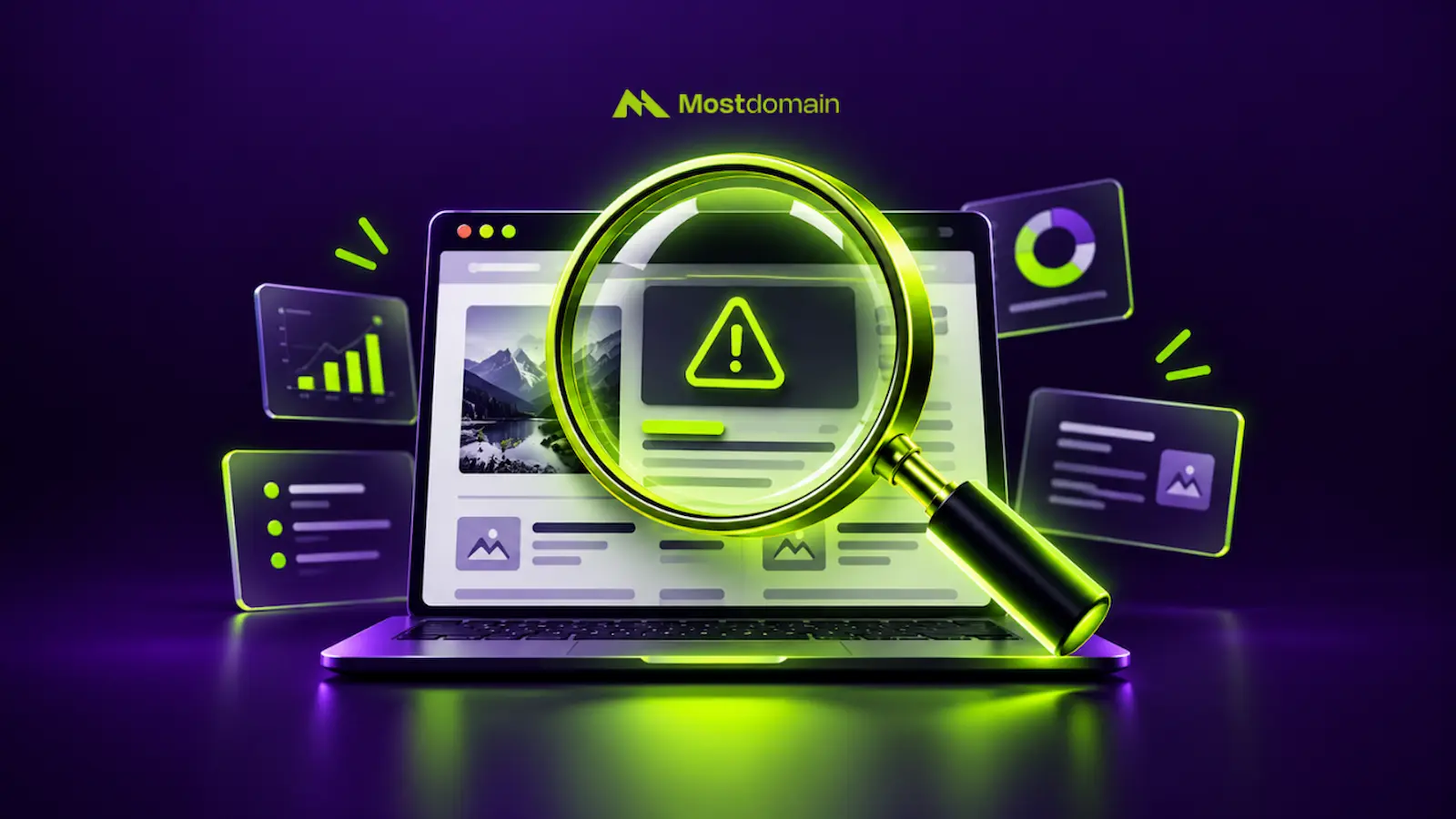
Google released its September 2026 spam update on September 24, 2026. The rollout finished on October 8, 2026. It is the fourth spam update of 2026. This one lasted far longer than the three before it.
Timeline: How the September 2026 Spam Update Rolled Out
Here is the full timeline, confirmed by Google’s Search Status Dashboard.
| Date | Event |
| Sept 24, 2026, 09:15 PT | Update released globally, all languages |
| Oct 8, 2026, 01:37 PT | Rollout marked complete |
The rollout took two weeks. Every earlier 2026 spam update finished in under a week.
What Is a Google Spam Update?
A spam update is Google’s term for a major refresh to its spam-detection systems. Google’s automated systems, including SpamBrain, run constantly. A spam update marks a notable improvement to how they work. Sites that drop after one likely violate a published policy. It’s rarely a brand-new rule.
What the September 2026 Update Targets
Google called this a “normal” spam update. It did not name a specific tactic or industry. A few things are confirmed:
- It applies globally, across every language.
- It does not specifically target link spam.
- No new spam policy was introduced with it.
- Google will issue periodic refreshes afterward.
That silence is typical. Google rarely names exact triggers for spam updates.

The Spam Policies Google Enforces
Every spam update enforces Google’s existing spam policies. Below is the current list.
| Policy | What it covers |
| Cloaking | Showing different content to users and to Google |
| Doorway abuse | Pages built to funnel traffic through near-duplicate URLs |
| Expired domain abuse | Repurposing an expired domain to host unrelated, low-value content |
| Hacked content | Spam or malware injected through a site vulnerability |
| Hidden text and link abuse | Text or links hidden from human visitors |
| Keyword stuffing | Unnatural repetition of keywords or phone numbers |
| Link spam | Links created mainly to manipulate rankings |
| Machine-generated traffic | Automated, unauthorized queries sent to Google Search |
| Malicious practices | Malware, unwanted software, or back-button hijacking |
| Misleading functionality | Tools or generators that never deliver what they promise |
| Scaled content abuse | Mass-produced pages, AI-written or scraped, with little value |
| Scraping | Republishing other sites’ content with no added value |
| Site reputation policy | Third-party content riding a host site’s ranking signals |
| Sneaky redirects | Sending users somewhere different than what was promised |
| Thin affiliation | Affiliate pages copied straight from the merchant |
| User-generated spam | Spam posted by users in comments, forums, or uploads |
That is sixteen distinct behaviors. Any of them could sit inside this update.
Expired Domain Abuse: Why Domain Investors Should Pay Attention
Expired domain abuse sits directly inside Google’s spam policies. It covers buying an expired domain and reusing it for unrelated, low-value content. A classic example: casino content on a former elementary school’s domain.
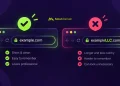



This matters for anyone sourcing domains for SEO. A clean expired domain policy review protects your investment before you buy. Pair that with an aged domain audit checklist covering backlink history and prior niche. Shady history on a domain can resurface after any spam update, including this one.
MostDomain vets every listing for prior use and spam signals. Backlink quality gets checked too. That filtering matters more after a spam-focused rollout like this one.
How September Compares to Earlier 2026 Spam Updates
| Update | Released | Stated rollout | Actual duration |
| March 2026 | Mar 24 | A few days | Under 1 day |
| June 2026 | Jun 24 | A few days | About 2 days |
| August 2026 | Aug 18 | A few days | Under 3 days |
| September 2026 | Sep 24 | Up to 2 weeks | 14 days |
September is the longest spam rollout of the year. Google gave no reason for the longer window.
Why Did the Rollout Take Two Weeks?
Nobody outside Google knows for certain. A few theories are circulating among SEOs:
- The update may touch more ranking signals than usual.
- It may process data in stages across regions.
- Some tie it to Google’s recent multimodal search and video documentation updates.
None of these are confirmed. Treat them as informed speculation, not fact.
How to Check If Your Site Was Affected
Start in Search Console, not in gut feeling. A real spam-update hit shows a specific pattern:
- Traffic or rankings dropped between September 24 and October 8, 2026.
- The drop affects many pages, not just one or two.
- No manual action notice appears in Search Console.
- No recent core update overlaps the same window.
If those line up, a spam signal is the likely cause. If the drop started earlier, or hit one page only, look elsewhere first. A domain rating score that looks fine on paper doesn’t rule out a spam flag underneath.
What to Do If Your Site Lost Rankings
Recovery starts with an honest audit, not quick fixes.
- Re-read Google’s current spam policies end to end.
- Check for thin, scraped, or AI-mass-produced pages on your site.
- Review any domains you’ve bought elsewhere for leftover spam history. MostDomain-sourced domains are already screened for this.
- Remove or rewrite anything that adds no real value.
- Disavow or clean up obviously manipulative backlinks.
Recovery is not instant. Google’s systems need months to re-score a cleaned-up site. If link spam caused the drop, that’s different. Any lost ranking benefit is gone for good. Cleanup won’t bring it back.
FAQ
When did the September 2026 spam update start?
September 24, 2026, at 09:15 Pacific Time.
When did it finish rolling out?
Google marked it complete on October 8, 2026.
Does this update target link spam specifically?
No. Google confirmed it is not a link spam update.
Is a spam update the same as a core update?
No. A spam update enforces existing spam policies. A core update changes how Google evaluates overall content quality.
How long until a cleaned-up site recovers?
Often several months. Google’s systems re-score sites gradually, not instantly.
Which spam policy matters most for domain investors?
Expired domain abuse and scaled content abuse carry the most direct risk. Both involve domain age and SEO value getting misused.
Will removing spam guarantee my rankings come back?
No guarantee exists. Cleanup helps, but link spam losses can’t be recovered.
Closing Thought
Spam updates reward sites that were already playing it straight. For domain investors, that means one thing. Vet every domain’s history before you publish on it. A trustworthy marketplace builds that vetting into the buying process. MostDomain does, from the start.
References
- Google – Google Search Status Dashboard