
Learning how to secure a domain name for free is the first question most entrepreneurs ask when building their online presence. Starting your digital journey shouldn’t drain your wallet, yet with over 156 million .com domains already registered, finding an affordable entry point feels increasingly challenging for startups, bloggers, and small businesses.
Here’s the reality: you can secure a professional domain name completely free through legitimate methods, and this comprehensive guide reveals exactly how. We’ll explore six proven approaches to get your domain without spending a dime upfront, plus essential security practices to protect your investment for years to come.
The most common path involves bundling domain registration with services you already need—web hosting, website builders, or professional email accounts. While standalone “free forever” domains exist, they come with significant trade-offs that can damage your professional credibility. Smart entrepreneurs choose strategic free domain options that combine zero upfront cost with long-term reliability.
Quick Answer: Yes, you can get a free domain through web hosting bundles, website builders, or specific registrars. Most offers provide free registration for the first year. However, combining smart provider choices with proper security measures saves you hundreds while establishing credible online presence.
What Makes a Free Domain Worth Your Time?
Before diving into specific methods, let’s address the critical question: are free domains legitimate for serious businesses?
The answer depends entirely on acquisition method. Completely free domain registrars offering standalone registration often impose severe limitations—obscure extensions, forced advertisements, restricted control. Meanwhile, bundled free domains from reputable hosting providers deliver genuine value without compromises.
Consider the economics: every website requires three fundamental components—domain name, hosting infrastructure, and security features. When you purchase hosting that includes domain registration at no additional cost, you’re simply bundling related services intelligently. The domain functions identically to paid registration while your total investment focuses on hosting you needed anyway.

The Reality Check: Free vs. Paid Domains
| Feature | Bundled Free Domain | Standalone Free Domain | Paid Domain |
| Professional Extensions | ✓ (.com, .net, .org) | ✗ (.tk, .ml, .ga) | ✓ |
| Full Ownership Control | ✓ | ✗ Limited | ✓ |
| No Forced Advertising | ✓ | ✗ | ✓ |
| Transferability | ✓ After 60 days | ✗ Usually locked | ✓ |
| Privacy Protection | ✓ Often included | ✗ | ✓ Usually extra |
| SEO Impact | Neutral | Negative | Neutral |
| First Year Cost | $0 (with hosting) | $0 | $10-20 |
| Credibility | High | Low | High |
The comparison reveals a clear pattern: bundled domains from established providers deliver professional results without professional price tags. This strategic approach gives you the best of both worlds—immediate savings and long-term credibility.
Why Should You Care About Domain Security From Day One?
Here’s a statistic that should grab your attention: approximately 60% of small businesses that experience cyberattacks shut down within six months. Your domain name represents your entire digital identity—losing control means losing your brand, customer trust, and potentially your entire business.
Domain security encompasses far more than choosing strong passwords. It includes domain locking mechanisms, privacy protection services, DNS security configurations, and proactive monitoring systems. Even with a free domain obtained through legitimate channels, implementing comprehensive security measures from day one protects against hijacking, unauthorized transfers, and reputation damage.




Domain hijacking incidents make headlines regularly across industries. Attackers exploit security vulnerabilities to transfer domains, redirect customer traffic, intercept business emails, or hold companies ransom. The encouraging news? Most security breaches stem from preventable oversights we’ll address throughout this guide.
Method #1: Free Domain Through Premium Hosting Plans
This represents the most reliable path to secure a free domain. Major hosting providers bundle domain registration with annual hosting packages, creating win-win arrangements for new website owners.
How the system works: When you purchase hosting for 12 months or longer, providers cover your first year of domain registration. You select from popular extensions including .com, .net, .org, plus newer options like .tech, .store, or .online. The domain functions identically to paid registration with full ownership rights after standard ICANN transfer restrictions expire.
Top Hosting Providers Offering Free Domains in 2025
MostDomain.com leads our recommendations for one compelling reason—they specialize exclusively in aged domains with established authority. If you’re looking to bypass the “new domain sandbox” period and launch with existing SEO value, their curated inventory of premium aged domains paired with hosting solutions offers unmatched strategic advantages. An aged domain from MostDomain.com arrives with existing backlink profiles and measurable domain authority, providing your project immediate head starts that new registrations simply cannot match.
Beyond aged domain specialists, traditional hosting providers also deliver solid free domain bundles worth considering.
Hostinger includes free domain registration with Premium and Business plans starting at $2.99 monthly. Choose from over 20 extensions including .com, with complimentary domain privacy protection valued at $9.99 annually. Their infrastructure emphasizes speed with LiteSpeed servers and built-in caching.
Bluehost maintains industry-standard offerings with free .com domain for first year. Plans begin at $2.95 monthly with automatic WordPress installation, complimentary SSL certificates, and around-the-clock support. They’re officially recommended by WordPress.org for managed hosting.
IONOS provides free domain registration across all hosting tiers. Multiple datacenter locations ensure better performance for international audiences. Free email accounts complement domain registration in unified packages.
What You Need to Know Before Signing Up
Not all hosting arrangements deliver equal value. Watch for these critical factors before committing.
Renewal rate structures: That attractive $2.95 monthly introductory rate often jumps to $10-15 monthly after year one expires. Factor realistic renewal costs into long-term budget planning rather than getting surprised later.
Domain renewal costs: While first-year registration comes free, you’ll face standard renewal fees afterward—typically $10-20 annually depending on extension. Some providers offer competitive renewal pricing; others impose significant markups. Research renewal rates before signup, not after.
Transfer policies and restrictions: Ensure you maintain ability to transfer your domain elsewhere after the mandatory 60-day ICANN lock period. Read fine print carefully regarding ownership rights, transfer procedures, and any penalties for early migration.
Required commitment periods: Most free domain offers require minimum 12-month hosting commitments. Monthly payment plans rarely include free domain perks. Longer commitments sometimes unlock better pricing but reduce flexibility.
Pro Tip: Screenshot your signup confirmation clearly showing the free domain included in your purchase. This documentation proves invaluable if billing disputes arise months later when memories fade and terms become murky.
Method #2: Website Builders With Built-In Domain Registration
For entrepreneurs lacking technical expertise who want streamlined all-in-one solutions, website builders offer free domains bundled directly with site-building platforms.
This approach appeals particularly to business owners who want to avoid the technical complexity of managing separate hosting accounts and domain registrars. Everything consolidates under one intuitive dashboard—domain management, design tools, hosting infrastructure, and ongoing updates.
Leading Website Builders Offering Free Domains
Wix provides free domain vouchers with Premium Plans starting at $16 monthly. Select from .com, .net, .store, or country-specific extensions. Their drag-and-drop builder makes launching professional sites accessible without coding knowledge or technical background.
Squarespace includes complimentary custom domain registration with annual subscription plans. Their templates emphasize design-forward aesthetics, making them particularly popular among creatives, photographers, consultants, and service providers. Domain management integrates seamlessly within the same interface controlling site design and content.
Hostinger Website Builder combines affordability with functionality effectively. Free domain included with Premium and Business plans starting at just $2.99 monthly. AI-powered design assistance accelerates site creation through intelligent suggestions and automated layout generation.
The Trade-Offs You Should Consider
Website builders prioritize convenience but inherently limit flexibility compared to self-hosted alternatives. You’re locked into their proprietary ecosystem—transferring your site to different hosting later requires complete rebuilding from scratch. While domains transfer relatively easily, your entire site design and functionality stays trapped within the original platform.
Customization options also pale compared to self-hosted solutions like WordPress or custom development. Advanced functionality typically requires premium add-ons and plugins, steadily increasing monthly costs. For straightforward brochure sites, portfolios, or small business landing pages, these trade-offs prove acceptable. For complex projects with ambitious growth plans or specialized requirements, self-hosted solutions provide substantially better long-term value and flexibility.
Method #3: Standalone Free Domain Registrars
Some registrars advertise completely free domain registration without requiring hosting purchases or other service commitments. While technically free, these options come with significant limitations worth understanding before proceeding.
Freenom historically dominated this space, offering free domains with extensions like .tk, .ml, .ga, .cf, and .gq. However, as of 2024, Freenom exited the domain business entirely following legal challenges and regulatory pressure. This development highlights a fundamental risk: free registrars operating on questionable business models may disappear without warning, potentially taking your domain with them.
Why Free Domain Registrars Often Disappoint
The underlying business model reveals inherent problems. Free registrars typically monetize through forced advertising displayed on your website, selling your personal data to third parties, aggressive premium upsells for basic features, or monetizing traffic when domains expire and get resold.
These services exclusively offer country-code top-level domains originally intended for specific nations. Search engines and visitors often perceive them as substantially less trustworthy than established .com or .org domains. The perception problem alone undermines marketing efforts before you’ve made your first impression.
The Professional Credibility Problem
Imagine receiving business correspondence from [email protected] versus [email protected]. The .tk extension immediately signals amateur status or temporary project. Professional clients, potential investors, and corporate partners judge businesses partially on domain choices.
Research from domain industry studies demonstrates that 77% of consumers consider domain names when deciding whether to engage with brands online. Obscure free extensions work directly against you in this crucial first impression phase where credibility matters most.
When Free Registrars Make Sense:
✓ Testing concepts before significant investment
✓ Personal hobby projects without commercial intent
✓ Learning web development through experimentation
✓ Temporary campaign microsites with defined lifespans
✗ Long-term business ventures requiring credibility
✗ Professional consulting or service businesses
✗ E-commerce stores handling transactions
✗ Brand-building projects with growth ambitions
Method #4: The Subdomain Route
A subdomain extends an existing domain by creating separate sections under the main web address. The format follows: subdomain.maindomain.com. Many platforms offer free subdomains as entry-level options for users testing their services.
WordPress.com provides free subdomains following the pattern yourname.wordpress.com. Wix, Weebly, Shopify, and other major builders follow similar models. You achieve online presence without purchasing domains, though with obvious limitations affecting professional perception.
Understanding Subdomain Constraints
The most glaring limitation involves branding dilution. Your subdomain permanently advertises the hosting platform—yourname.wordpress.com explicitly tells every visitor you’re using WordPress free hosting. This significantly dilutes your brand identity while looking decidedly less professional than custom domains.
Search engine implications matter considerably too. While subdomains can rank in search results, they don’t build equity toward your brand specifically. All accumulated SEO authority flows to the parent domain rather than your business, meaning your optimization efforts partly benefit the hosting platform instead of your project exclusively.
Subdomain Use Cases That Actually Work:
Blog sections of established websites typically use subdomains effectively. Format like blog.yourdomain.com creates clear site architecture while maintaining brand consistency. Product launches or marketing campaigns benefit from campaign-specific subdomains. Regional sites for international businesses leverage subdomains like uk.yourdomain.com for geographic targeting. Testing environments before launching main production sites use subdomains safely.
For these strategic scenarios, subdomains make perfect sense. As primary business domains representing your core brand? They fall substantially short of professional standards expected in competitive markets.
Method #5: Premium Email Services With Free Domain Registration
Lesser-known but genuinely valuable: certain email hosting providers bundle free domain registration with professional email services designed for businesses.
Google Workspace occasionally offers promotional periods including free domain registration when you subscribe to their business email suite. You’re primarily paying for professional email addresses like [email protected] plus productivity tools, with domain registration thrown in as value-added bonus. Email hosting starts around $6 monthly per user.
Microsoft 365 runs similar promotional campaigns periodically, bundling domain registration with their business email platforms and Office application suites. The ecosystem integration proves particularly appealing for organizations already standardized on Microsoft products and workflows.
Why This Method Works for Service Professionals
Consultants, freelancers, coaches, and service providers need professional email communication more urgently than complex websites initially. Having [email protected] email addresses creates instant credibility on proposals, invoices, and client communications.
You can park the registered domain on a simple single-page landing site initially, then build out comprehensive website functionality later as time and budget permit. The domain gets secured immediately, professional email works from day one, and you’ve invested only in email services you genuinely needed regardless.
The critical gotcha: If you cancel email hosting subscriptions later, you may lose domain access entirely depending on specific provider policies. Read terms carefully regarding domain ownership versus conditional licensing arrangements before committing.
Method #6: Affiliate Marketing Programs and Promotional Offers
Domain registrars and hosting companies operate affiliate programs that occasionally include free domain incentives for referrals or special promotional periods.
GoDaddy, Namecheap, and other major registrars periodically launch promotional codes offering free first-year domain registration. These deals cycle through different extensions—sometimes .com receives promotions, other periods favor .net or newer extensions like .tech or .online.
How to Find Legitimate Domain Promotions
Monitor deal aggregator websites, domain industry blogs, and registrar social media accounts consistently. Black Friday, Cyber Monday, and New Year periods typically see the heaviest promotional activity with deepest discounts and most generous offers.
RetailMeNot, Honey, and Slickdeals aggregate current promotional codes from thousands of merchants including domain registrars. Some offers require minimum purchase amounts or apply exclusively to new customers rather than existing account holders.
Affiliate programs operate differently—you refer customers to hosting services, earn commissions on their purchases, and some programs reward active affiliates with free domains as incentive bonuses for reaching referral thresholds.
Critical Warning: Verify promotion legitimacy thoroughly before providing payment information or personal details. Stick exclusively to established registrars with demonstrated reputation histories. Obscure promotional sites sometimes engage in domain front-running—registering domains you search for, then ransoming them back at inflated premium prices.
Your Step-by-Step Guide: Registering Your Free Domain Securely
Once you’ve selected your preferred method, following proper registration procedures ensures you start with optimal security foundations. Apply these steps regardless of which provider you choose.
Step 1: Choose Your Domain Name Strategically
Your domain name becomes permanent brand infrastructure. Changing later confuses existing customers while losing accumulated SEO equity. Invest adequate time in this foundational decision before committing.
Naming best practices emphasize brevity—keep domains between 6-14 characters when possible. Longer names invite typing errors and prove harder to remember. Make it genuinely memorable by ensuring easy spelling and pronunciation. Avoid clever misspellings that seem cute initially but cause endless confusion.
Skip hyphens and numbers entirely unless absolutely unavoidable. They complicate verbal sharing and appear unprofessional to modern audiences. Consider incorporating relevant keywords naturally, though prioritize memorable branding over keyword stuffing.
Check trademark conflicts thoroughly by searching USPTO database before finalizing choices. Verify social media handle availability simultaneously. Consistent naming across platforms strengthens overall branding efforts significantly.
Domain name generator tools offered by most registrars help brainstorm available combinations. Input keywords describing your business and receive instant suggestions checking real-time availability across extensions. This saves considerable manual searching time while sparking creative alternatives.
Step 2: Select Your Provider Based on Long-Term Needs
Don’t choose providers based solely on “free” status without evaluating complete package value. Consider these technical factors carefully.
Uptime guarantees should meet or exceed 99.9% minimum for hosting providers. Lower uptime means more frequent outages affecting accessibility and revenue. Customer support quality matters enormously—verify 24/7 availability, average response times, and available support channels before problems arise.
Evaluate scalability options thoroughly. Can you upgrade plans smoothly as traffic grows? What limits exist on bandwidth, storage, or resource allocation? Backup systems should include automatic backups preventing catastrophic data loss disasters. Security features must encompass SSL certificates, malware scanning capabilities, and DDoS protection at minimum.
For aged domain seekers, MostDomain.com delivers distinct competitive advantages. Their specialized inventory includes domains with documented backlink profiles and established authority metrics, giving new projects immediate search ranking advantages that fresh registrations lack entirely.
Step 3: Complete Registration With Accurate Information
ICANN regulations mandate accurate registrant contact information for all domain registrations. Providing deliberately false details violates terms of service and risks domain suspension without warning.
During checkout processes, you’ll enter full legal name, physical mailing address, phone number, and email address. Use email accounts you’ll maintain long-term rather than temporary addresses that might expire or get abandoned.
Domain privacy protection services replace your personal information in public WHOIS records with provider contact details, shielding you from spam and privacy concerns. Most providers offer this free or under $10 annually—enable it immediately.
✓ Enable privacy protection if available
✓ Use reliable permanent email addresses
✓ Save confirmation emails as ownership proof
✓ Set calendar reminders for renewal dates
Step 4: Configure DNS Settings and Security Features
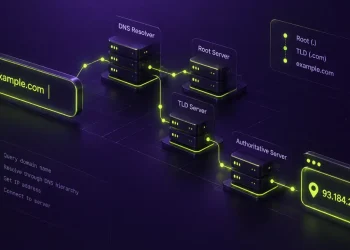
After successful registration, configure your domain to point toward your website hosting location. This involves DNS settings—essentially the internet’s phonebook directing traffic to correct servers hosting your actual website files.
Essential initial configurations include A Records pointing your domain to server IP addresses where website files reside. MX Records direct email sent to @yourdomain.com addresses toward proper mail servers. CNAME Records create subdomains and aliases as needed for various site sections.
Most hosting providers auto-configure these settings automatically when domain and hosting come from the same company. Separate providers require manual DNS configuration—copy hosting provider’s nameservers and paste into domain registrar’s DNS management interface.
How to Actually Secure Your Domain Beyond Just Passwords
Obtaining a free domain represents only the beginning. Maintaining secure control requires implementing multiple protection layers working together cohesively.
Enable Domain Lock Immediately After Registration
Domain locking prevents unauthorized domain transfers through registrar-level security mechanisms. When properly locked, transfer requests to different registrars automatically fail, protecting against hijacking attempts even if attackers compromise other account security.
How to verify domain lock status: Log into registrar account dashboard, navigate to domain management section, locate “Domain Lock” or “Transfer Lock” settings, and toggle to “Enabled” or “Locked” position immediately.
Some registrars enable locking automatically upon registration; others require manual activation. Verify status immediately after registration and periodically during ongoing ownership.
When to unlock: Only temporarily unlock when intentionally transferring domains to different registrars. Re-lock immediately after completing legitimate transfers to restore protection.
Implement Strong Authentication on Domain Accounts
Your registrar account ultimately controls your domain completely. If attackers access this account, even domain locks won’t save you—they’ll simply unlock before initiating unauthorized transfers.
Password requirements should exceed minimum security standards. Use at least 12 characters combining uppercase letters, lowercase letters, numbers, and symbols in unpredictable patterns. Create unique passwords not reused across other services or accounts. Store passwords in dedicated password managers rather than browser save features. Update passwords regularly every 90 days for accounts controlling critical assets.
Two-factor authentication adds mandatory second verification beyond passwords alone. Common implementations include SMS codes sent to registered phone numbers, authenticator apps like Google Authenticator or Authy generating time-based codes, or hardware security keys requiring physical devices.
Enable 2FA on registrar accounts without exception. SMS remains vulnerable to SIM swapping attacks—authenticator apps or hardware keys provide substantially stronger security guarantees.
Configure Domain Privacy Protection to Shield Personal Information
WHOIS databases publicly display registrant contact information accessible to anyone performing lookups. Without privacy protection, your full name, address, phone number, and email appear publicly—inviting spam, scams, and serious privacy violations.
Domain privacy services mask your personal details, displaying provider contact information instead while still reliably receiving legitimate domain-related communications forwarded to you.
| Without Privacy | With Privacy |
| Your full name visible | Proxy service name shown |
| Home/business address public | Provider’s address displayed |
| Personal phone listed | Privacy service number given |
| Email address exposed | Forwarding email provided |
| Risk: Identity theft, stalking | Protection: Anonymity maintained |
Most modern providers include privacy protection complimentary with domain registration. Legacy services sometimes charge $5-15 annually. Given substantial privacy risks, the modest cost justifies itself immediately.
Important limitation: Some domain extensions don’t support privacy protection. Certain ccTLDs and .us domains require accurate public information per regulatory policies. Verify privacy availability before purchasing if anonymity matters for your situation.
Install SSL Certificates for Complete Security
While SSL certificates primarily secure website connections, they intertwine closely with overall domain security reputation. Modern browsers prominently flag non-HTTPS sites as “Not Secure,” immediately damaging visitor trust and search engine rankings.
What SSL certificates accomplish: They encrypt data transmitted between browsers and servers, verify site authenticity preventing impersonation attacks, boost search rankings since Google confirmed HTTPS as ranking signal, and display trust indicators like padlock icons in address bars.
Most hosting providers include free SSL certificates through Let’s Encrypt offering industry-standard encryption at zero cost with automatic renewal. Activate immediately upon site launch.
For aged domains from MostDomain.com, verify existing SSL status carefully. If prior owner’s certificate remains active, update to fresh certificate under your direct control ensuring proper encryption without legacy vulnerabilities.
Set Up Regular Monitoring and Backup Systems
Proactive monitoring catches security issues before they escalate into crises. Implement these monitoring practices consistently.
Domain expiration alerts require setting multiple reminders starting 90 days before renewal dates. Missing renewals allows others to register your expired domain—recovering it costs exponentially more than simply renewing on schedule.
WHOIS monitoring services alert you immediately to unauthorized changes in domain records. If attackers somehow access accounts despite protections, you’ll know instantly when registration details change unexpectedly.
DNS monitoring tracks DNS record modifications. Unauthorized changes might redirect traffic to malicious servers or intercept business emails without your knowledge.
Security scanning catches website compromises early through regular malware scans. Hosting providers often include this; third-party services like Sucuri and Wordfence provide advanced protection for mission-critical sites.
What Happens After Your Free Domain Period Ends?
Understanding renewal terms prevents unpleasant financial surprises when that complimentary first year expires unexpectedly.
Domain Renewal Economics and Timeline
Standard renewal pricing varies by extension. .com domains typically renew at $10-15 annually. .net domains cost $12-18 yearly. .org domains range $10-16 annually. New gTLDs like .tech or .store often command $15-40 yearly depending on specific extension popularity and registry pricing.
Registrars typically send renewal reminders 30, 15, and 7 days before expiration dates. Don’t wait for final reminders—renew early. Late renewal triggers grace periods with additional fees and potential service disruptions.
Renewal timeline after expiration follows predictable patterns. Day zero represents expiration when services may stop immediately. Days 1-30 comprise grace period where standard renewal remains possible. Days 31-60 enter redemption period requiring additional $75-150 fees. Beyond day 61, domains drop entirely, becoming available for public registration.
Once domains drop to public availability, you compete with professional domainers using automated tools aggressively snapping up expired domains. Recovery becomes prohibitively expensive or literally impossible.
Auto-Renewal Settings: Set It and Forget It?
Most registrars offer auto-renewal options, automatically charging payment methods before expiration. This prevents accidental loss but requires maintaining current payment information on file consistently.
Auto-renewal best practices include enabling auto-renewal for all business-critical domains without exception. Use dedicated credit cards with sufficient credit limits rather than debit cards. Update payment information immediately when cards expire or get replaced. Verify charges post-renewal ensuring no billing errors occurred. Maintain reliable email access for renewal receipts and important notices.
When to disable auto-renewal: Consider disabling for test domains you plan abandoning, temporary campaign domains with defined end dates, or domains you’re actively considering not renewing.
For business-critical domains, the minor inconvenience of auto-renewal far outweighs the catastrophic risk of losing your domain through oversight.
Common Mistakes That Cost Domain Owners Dearly
Learning from others’ expensive errors saves you pain and money. These mistakes happen frequently yet remain easily preventable.
Letting Someone Else Register Your Domain
The person listed as official registrant legally owns the domain according to ICANN policies. Hiring web developers or agencies to “handle everything” sometimes means they register domains under their accounts, not yours.
The nightmare scenario: Your developer relationship deteriorates unexpectedly. They hold your domain hostage demanding additional payment or simply refusing transfer requests. Recovery requires expensive legal action costing far more than domain value.
Protection strategy: Always register domains in your name through accounts you directly control. Provide developers only necessary access through collaborator permissions, never full account access or ownership rights.
Using Unprofessional Extensions for Serious Projects
That quirky .ninja or .rocks extension might seem fun and memorable now but seriously undermines credibility later. Professional services, B2B companies, and established businesses need established extensions conveying legitimacy.
Extension perception reality varies dramatically. .com enjoys universal trust as default assumption for legitimate businesses. .net and .org serve as credible alternatives when .com unavailable. .co gains acceptance for startups and tech companies. New gTLDs like .tech, .store, and .online show growing acceptance but still raise questions. Free extensions like .tk, .ml, and .ga trigger immediate red flags for users.
If your ideal .com remains unavailable, consider adding location descriptors, including service descriptors, using alternative words rather than misspellings, or buying established domains from aftermarkets like MostDomain.com.
Ignoring Renewal Dates and Losing Domains
This happens far more often than most people realize. Busy entrepreneurs forget renewal dates, credit cards expire, email addresses change—renewal notices go unseen, and domains expire into public availability.
Protection strategies include setting phone and calendar reminders independent of email notifications. Use payment methods that don’t expire like bank accounts versus credit cards. Register domains for multi-year terms reducing renewal frequency. Enable auto-renewal with current payment information. Maintain stable email addresses for critical accounts.
Falling for Domain Renewal Scams
Scammers send official-looking renewal notices via mail or email, often with significantly inflated prices. Unsuspecting owners pay, thinking they’ve renewed with their registrar—but they’ve actually transferred their domain to scammer-controlled registrars.
Red flags of domain scams include unexpected physical mail renewal notices, prices significantly above market rates, urgent language pressuring immediate action, unfamiliar company names or unprofessional website designs, and requests for sensitive account information.
Verification process: Always log directly into your registrar account to verify renewal status and current pricing. Never click links in suspicious emails. Contact registrar customer support through official channels if uncertain about any communication.
Frequently Asked Questions About Free Domains
Can I Really Get a .com Domain Completely Free?
Yes, through hosting provider bundles offering free domain registration with annual hosting purchases. You won’t find legitimate standalone free .com registration, but purchasing hosting that includes free domain registration effectively provides .com at no additional cost. Since websites require hosting regardless, this approach makes financial sense.
Standalone free registrars exclusively offer obscure extensions that damage professional credibility significantly.
Is a Free Domain Good Enough for Serious Business?
Absolutely—when obtained through reputable providers using bundled approaches. The domain itself functions identically to paid registration with same control, ownership rights, and functionality.
The critical differentiator involves where and how you acquired it. Free domains from hosting bundles carry zero stigma; free domains from questionable registrars signal unprofessionalism immediately.
How Long Do Free Domains Actually Stay Free?
Typically one year for most legitimate offers. After that, standard renewal rates apply at market pricing. Some promotional offers provide free domains for 2-3 years when combined with longer hosting commitments.
Think of “free domain” as the first year’s registration fee waived, not permanent free service forever. This remains highly valuable—you save $10-20 immediately and only pay standard renewal costs after establishing your project’s viability.
Can I Transfer a Free Domain to Different Registrar?
Yes, after the mandatory 60-day lock period required by ICANN regulations. Newly registered domains must remain with initial registrars for 60 days minimum, preventing rapid-fire transfers used in fraud schemes.
After 60 days elapse, you control transfer decisions completely. Obtain authorization code from current registrar, initiate transfer with new registrar, approve transfer confirmation email—typically completes within 5-7 days.
Important note: Some providers lock free bundled domains to their hosting for the complimentary year. Transferring early might incur charges. Read terms carefully before assuming immediate transferability.
Will Free Domains Hurt My SEO Rankings?
Not inherently when obtained through legitimate channels. Search engines evaluate content quality, user experience, backlink profiles, and technical factors—not whether you paid for domain registration.
However, free domains from sketchy registrars often suffer from slow DNS resolution times, frequent downtime affecting accessibility, association with spam networks causing entire extension penalties, and poor user perception leading to high bounce rates.
Reputable free domain bundles carry zero SEO penalty whatsoever. Proper implementation with SSL, fast hosting, and quality content matters infinitely more than registration payment method.
What’s the Catch With Free Domains From Hosting Companies?
The “catch” involves requiring hosting purchases. But you need hosting anyway for website functionality, so this doesn’t truly qualify as a catch—it’s simply bundling related services intelligently.
The actual consideration: introductory hosting rates eventually increase at renewal. That $2.99 monthly often becomes $10-12 monthly after year one. Factor total cost of ownership over 2-3 years when comparing providers realistically.
Some providers also limit which domains qualify as “free”—perhaps excluding premium or ultra-short domains. Standard naming conventions rarely hit these limitations in practice.
Can Someone Steal My Domain Name?
Domain theft happens through security vulnerabilities, not magic or random chance. Attackers can’t simply take domains; they exploit weak passwords, social engineering tactics, or account vulnerabilities you’ve left unprotected.
Protection measures prevent theft effectively: Strong unique passwords with 2FA enabled, domain lock activated at registrar level, privacy protection hiding personal details, secure email accounts receiving domain notifications, and regular security audits of access permissions.
Implement these practices consistently and domain theft risk drops to nearly zero.
Should I Buy Domain Privacy Protection?
If available free or under $10 annually—absolutely yes without hesitation. The alternative exposes your personal information publicly, inviting spam, scams, and potential identity theft or stalking scenarios.
Your name, address, phone, and email shouldn’t be Google-searchable just because you own a domain. Privacy protection solves this with zero downside.
Some extensions mandate public information per regulatory requirements. Research before purchase if privacy is non-negotiable for your situation.
What Happens If I Cancel Hosting—Do I Lose My Free Domain?
Policies vary significantly by provider. Some allow you to maintain domain registration separately by paying standard renewal fees after canceling hosting. Others require keeping hosting active to retain domain access.
Read terms carefully before canceling anything. Contact customer support for clarification about specific policies. If you want to keep the domain long-term, initiate transfer to different registrar before canceling hosting—ensures zero service disruption.
Can I Get Multiple Free Domains?
Usually one free domain per account or hosting plan under standard terms. To acquire multiple free domains, you’d need multiple qualifying hosting purchases from same or different providers.
Alternatively, purchase hosting from one provider securing first free domain, then buy additional domains separately from registrars at standard rates. After initial free domain, additional registrations cost $10-20 yearly typically—reasonable for established projects generating revenue.
For aged domains with existing authority, explore MostDomain.com inventory. Their specialized selection provides alternative pathways to valuable domains that new free registrations simply cannot match.
Final Thoughts: Your Domain Journey Starts Here
Securing a free domain name in 2025 remains not only possible but strategically smart for budget-conscious entrepreneurs building online presence. By choosing reputable hosting providers and implementing proper security measures from day one, you establish professional credibility without unnecessary upfront costs eating into limited startup capital.
Remember that “free” means first-year registration in most legitimate cases—plan appropriately for renewal costs in year two and beyond. This remains dramatically more affordable than premium domain purchases or aftermarket acquisitions, especially when starting fresh ventures with uncertain revenue trajectories.
The method you ultimately choose should align with long-term business goals and technical requirements. Simple blogs and portfolios thrive with website builder bundles offering streamlined management. Complex projects needing extensive customization benefit from self-hosted solutions providing maximum flexibility. Service professionals might prioritize email hosting with included domain registration for immediate credibility.
For those seeking immediate authority and search advantage, aged domains from specialized providers like Most Domain offer alternative strategic pathways. Established domains with existing backlink profiles and measurable domain authority accelerate growth trajectories compared to starting from absolute zero with brand new registrations.
Whatever path you choose, security principles remain constant across all scenarios: strong passwords combined with 2FA, domain locks enabled immediately, privacy protection activated, SSL certificates installed properly, and vigilant renewal monitoring. These practices protect your investment whether you paid $0 or $10,000 for domain acquisition.
The perfect domain name is waiting for you to claim it. With proper security implementation and strategic provider selection, you’ll establish credible online presence today while maintaining flexibility for tomorrow’s growth and evolution.
Your digital journey begins with a single domain decision. Make it count. Make it secure. Most importantly—make it happen now before someone else registers your ideal name.
Take action today: Research your ideal domain name availability using registrar search tools, compare hosting providers offering free registration bundles that match your technical requirements, and secure your digital identity before competitors claim it. Your future self will thank you for starting today rather than wishing you had started yesterday.
The internet waits for no one. Every day you delay, thousands of new domains get registered by entrepreneurs just like you. The difference between those who succeed online and those who never launch often comes down to taking that first concrete step. Your free domain represents that step—the bridge between planning and actually building something real that customers can find and engage with.
Don’t let analysis paralysis prevent progress. Choose a method from this guide, select a provider that fits your budget and requirements, and claim your domain this week. Start with the free option, implement security best practices, and build from there. You can always upgrade hosting, expand functionality, or purchase additional domains as your project grows and generates revenue.
The most expensive domain is the one you never register—the idea that stays trapped in your mind because you’re waiting for perfect timing that never arrives. Perfect timing is now. Free domains make the barrier to entry lower than ever before. Use that advantage to launch faster than your competition.
References
- ICANN Internet Corporation for Assigned Names and Numbers Official Documentation
- Verisign Domain Name Industry Brief Q1 2025
- GoDaddy Resources Domain Security Best Practices Guide
- Hostinger Web Hosting and Domain Registration Knowledge Base
- Bluehost Official Hosting Documentation and Support Articles
- Wix Blog Domain Registration and Website Building Resources
- Squarespace Domain Management Official Guidelines
- Network Solutions Domain Security and Privacy Documentation
- Namecheap Domain Registration Best Practices
- WordPress.org Official Hosting Recommendations
- Google Workspace Domain and Email Setup Documentation
- Microsoft 365 Business Email and Domain Integration Guide
- Let’s Encrypt SSL Certificate Implementation Standards
- Cybersecurity and Infrastructure Security Agency Small Business Reports
- U.S. Patent and Trademark Office USPTO Trademark Database
- Business.org Domain Name Cost Analysis and Provider Comparisons
- HubSpot Domain Registration and Website Management Resources
- Shopify Free Domain Name Guide and E-commerce Resources
- Consumer Search Technology Domain Limitations Research
- Domain Name Industry Statistics Reports 2025
- Web Hosting Advice Provider Reviews and Comparisons
- Forbes Domain Name Strategy Articles
- Entrepreneur Magazine Domain Security Guidelines
- TechCrunch Domain Industry News and Analysis