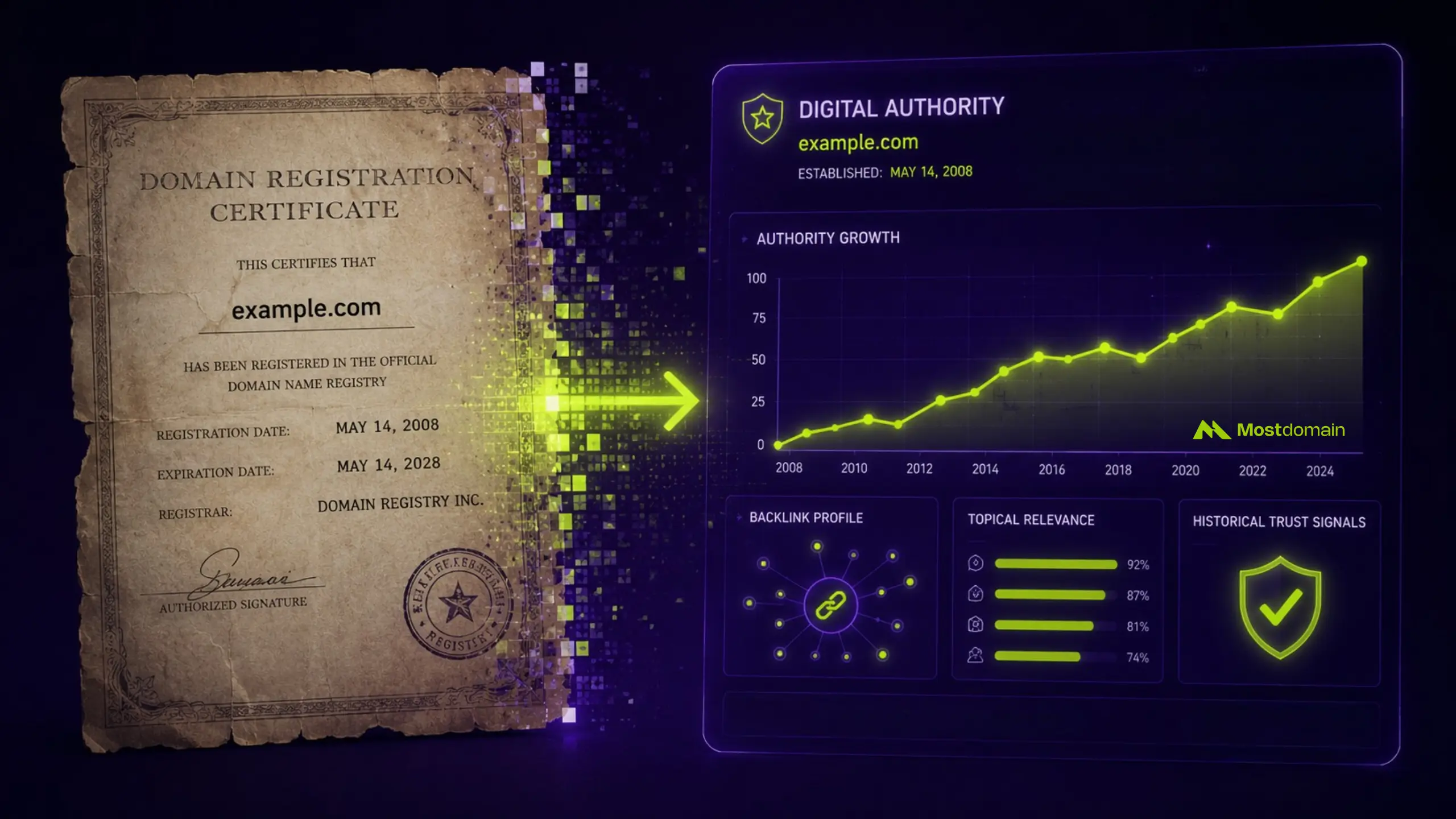
Buying old domains with pagerank means picking up a domain that already has a life behind it, backlinks, history, sometimes traffic, and putting that inherited weight to work on something new. Not a shortcut exactly. More like paying for years you didn’t spend. Works fine when the domain’s history is clean. Falls apart fast when it isn’t.
What Does PageRank Actually Mean When You’re Buying an Old Domain?
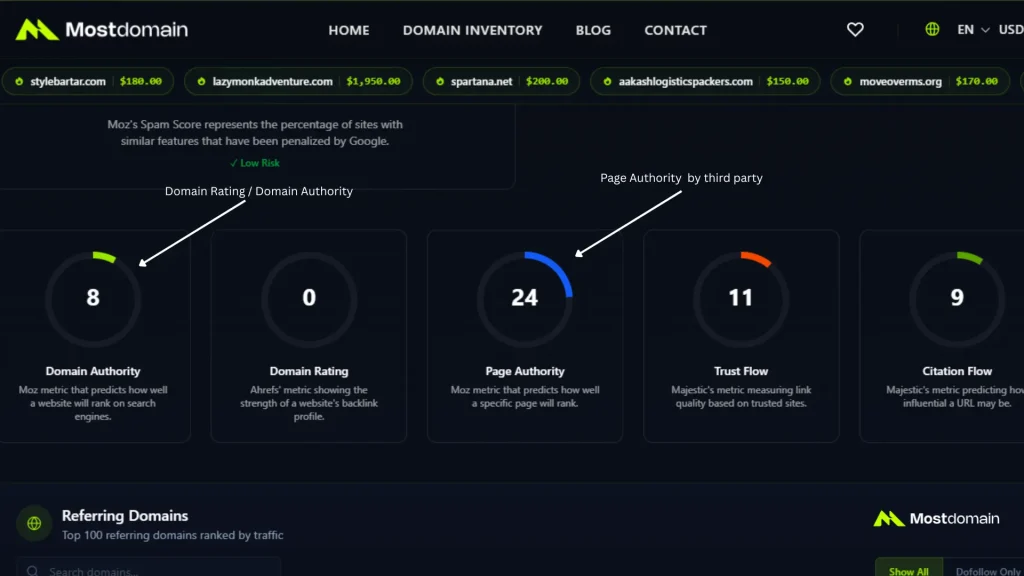
PageRank, in the sense Google originally meant it, stopped existing publicly back in April 2016. What sellers show you now is a stand-in. Usually Open PageRank, sometimes just a guess dressed up as data.
The distinction matters more than it sounds like it should. A lot of marketplace listings still throw around “PR8” or “PR6” like the old toolbar never went away, and buyers who don’t know that history end up paying a premium for a number that means almost nothing anymore.
| Term | What It Actually Measures | Still Usable Today? |
| Classic Google PageRank (Toolbar) | Google’s original 0-10 public score, retired in April 2016 after more than a decade in use | No |
| Open PageRank | A third-party estimate built to mimic the old algorithm using similar link data | Yes, as a rough proxy, nothing more |
| Domain Rating / Domain Authority | Backlink strength scored 0-100 | Yes |
| Google’s internal link signals | The real thing. Still running, still weighted, never shown to anyone outside Google | Exists, but you’ll never see the number |
When a listing says “high PageRank,” ask which of these four it actually means. Nine times out of ten it’s Open PageRank, and honestly, that’s fine, as long as you know that going in rather than finding out later.
Part of the confusion sticks around because old SEO forums never updated their language, and neither did a chunk of the sellers still writing listings today. A seller quoting “PR6” in 2026 either doesn’t know the metric died years ago or is counting on the fact that most buyers don’t either. Either way, it changes nothing about how you should evaluate the domain. What matters is the backlink profile sitting underneath the label. Not the label itself.
Where to Find Old Domains That Still Carry Real PageRank
Three channels turn up domains with genuine link equity most often: expired domain auctions, curated marketplaces, and private brokers. Each hands you a different amount of vetting already done.

- Expired domain auctions like GoDaddy Auctions or NameJet give you volume, a lot of it, but almost no screening. You’re on your own for due diligence, and competition on anything decent tends to push prices up fast.
- Curated marketplaces, mostdomain.com included, pre-screen for backlink quality and clean history before a domain ever gets listed. Saves you the first round.
- Private brokers move slower and usually cost more. Worth it if you need something niche-specific with a documented publishing history behind it.
- Dropcatching services grab a domain the moment it expires. Speed over screening, so treat any authority claims here as unverified until you check them yourself.
If the goal is a serious project rather than a test run, curated marketplaces tend to save the most time. Someone already ruled out the obviously broken ones, which is more valuable than it sounds once you’ve spent an afternoon sorting through auction listings that turn out to be junk.
How to Screen a Domain’s Link Equity Before You Buy
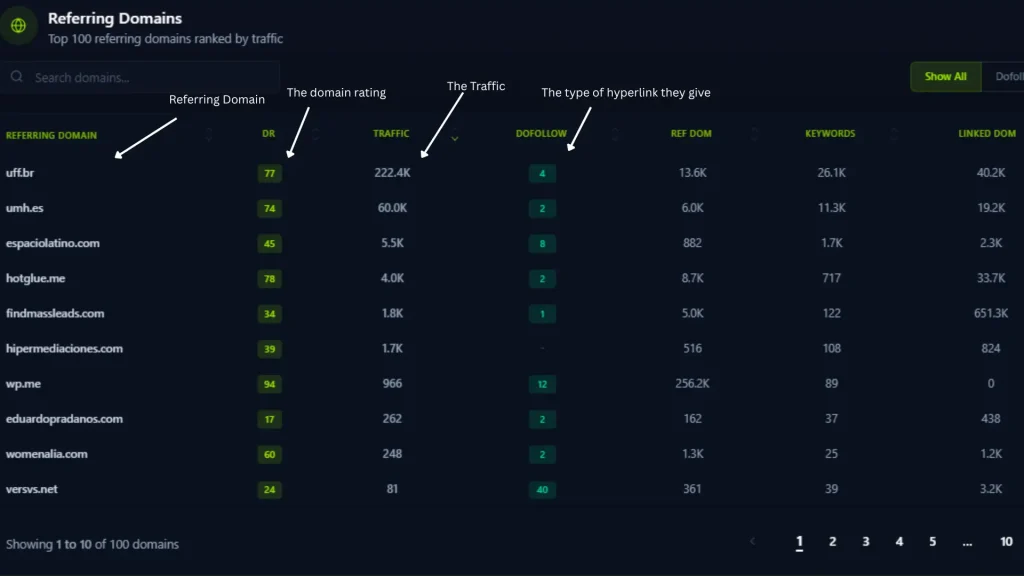
Fifteen minutes, roughly, is what a decent screen takes. Enough to tell you whether a domain’s backlinks are worth pursuing further.
- Pull up the Wayback Machine and look at the domain’s content history. A long gap, or a topic that has nothing to do with what it is now, is a warning sign worth taking seriously.
- Check the backlink profile in a tool like Ahrefs or Majestic. Referring domains matter more than total link count, always.
- Watch for spikes. A sudden burst of low-quality links landing all at once usually means a past PBN or a paid link campaign somebody ran and abandoned.
- Confirm there’s no active manual action and no blacklist flags anywhere you can check.
- Cross-check the registrar history, since domains that changed hands repeatedly have often been through several grey-hat projects already, and that history doesn’t just disappear because the current listing looks clean.
Clear that quick screen and the next step is our full aged domain backlink audit, which is where the real due diligence happens. Skipping it on anything you’re paying real money for isn’t worth the risk it creates.




Sellers sometimes get defensive when you ask for backlink data upfront. Treat the reaction itself as information. A domain with an actually clean history rarely comes attached to a seller who hesitates before showing you where the links came from.
Legitimate Uses vs. Risky Uses of High-PageRank Domains
Not every way of using an old domain’s authority is safe, and Google hasn’t exactly been quiet about which ones cross the line.
| Use Case | Legitimate? | Why |
| 301 redirect after a genuine brand merger or rebrand | Yes | Reflects a real business change instead of a manufactured signal |
| Reviving a domain to rebuild roughly what it used to be | Yes | Matches the intent the domain already earned |
| Redirecting an unrelated domain’s links straight into a money site | Risky | This is close to word for word what Google’s own definition of a manipulative link scheme describes |
| Stacking a pile of aged domains into a private blog network | Risky, named directly | Called out by name in Google’s spam policies |
Google’s SpamBrain system can devalue manipulated links within hours now, not weeks, not after some quarterly update. Not because PBNs suddenly stopped working, but because getting caught got a lot faster. Not a background risk anymore.
Buying Checklist: What to Confirm Before You Purchase
Before you buy old domains with pagerank, run it through this checklist. Otherwise you risk paying for authority that evaporates the moment Google recrawls the site.
| Factor | What to Confirm |
| Referring domains | Diverse sources. Not two or three networks just repeating themselves |
| Niche relevance | The domain’s original topic should match, or come reasonably close to, what you’re planning to use it for |
| Content history | Continuous and legitimate, checked through the Wayback Machine |
| Manual actions | None currently active. Verify via Search Console if you can get access |
| Price vs. typical range | Worth comparing against typical aged domain pricing before committing anything |
| Full valuation | Run the numbers through how to value an aged domain for the complete picture, not just the headline number |
FAQ
What does it mean to buy old domains with pagerank?
Depends on which domain, and which chapter of its history you’re actually paying for. Buying old domains with pagerank isn’t some magic shortcut, it’s just years that already happened, on someone else’s domain, now transferred to yours along with the backlinks. Skips the slow part, mostly.
Is Google’s PageRank still a real ranking factor in 2026?
Internally, yes, link signals still shape rankings. Publicly, no, not since the toolbar score got retired in 2016. What shows up as “PageRank” in listings now is usually Open PageRank, a modeled estimate, not because sellers are being dishonest, but because there’s genuinely nothing else public left to call it. Rough, but usable most days.
Are private blog networks (PBNs) safe for SEO right now?
Not really. Google names PBNs directly in its spam policies, and SpamBrain can now devalue the links within hours of spotting a pattern, not weeks later after some periodic update. Not because PBNs suddenly stopped working, but because getting caught got a lot faster. Not a background risk anymore.
How much does an aged domain with good backlinks typically cost?
Prices swing hard, from a few hundred dollars up into five figures, depending on niche, referring domain quality, and whatever traffic history rides along with it. A domain with two or three weak links won’t command what one with two dozen relevant, high-authority referring domains does. Worth checking against typical aged domain pricing before deciding whether a number fits your budget. Rarely a fixed number, honestly.
What’s the difference between buying an aged domain and just registering a new one?
New domain, blank slate, nothing to inherit, good or bad. Safer by default when there’s no time to vet properly. An aged domain flips that trade: you inherit whatever backlink profile and content history already exist, and only close inspection tells you whether that history helps or hurts. Depends entirely on what you find.
References
- Google Search Central, “Spam Policies for Google Web Search”
- Google Search Central, “Google Search Spam Updates”
- Blue Tree Digital, “Google’s Backlink Policy in 2026: What the Guidelines Actually Say, and What They Now Enforce”
- SerpNames, “Expired Domains With PageRank”