
Buying quality affordable aged domains can feel confusing at first. There are a lot of options, mixed quality, and plenty of risk if you don’t know what to check. But when done right, aged domains can give your website a strong head start in SEO and brand credibility.
This guide breaks everything down in simple, practical terms: what aged domains are, why search engines care about them, how to check if they’re a good fit, and where to buy them safely, clear, easy to follow, and straight to the point.
What Is an Aged Domain?
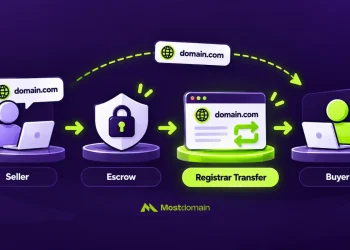
An aged domain is simply a website name that someone else owned and used in the past, sometimes for months or even years, before it became available for you to buy.
These domains may come from expired domain listings or private sales.
Unlike a fresh domain, aged domains already have history. That’s what makes them valuable.
Key characteristics:
- Previously active website with content or business use
- Existing backlink profile and mentions across the web
- Indexed history in search engines
Where they usually come from:
- Domains expired after owners didn’t renew
- Businesses shutting down or rebranding
- Investors reselling domains listed on marketplaces
Why it matters:
- You’re not starting from zero
- You inherit SEO signals (good or bad)
- You may gain faster indexing and visibility
Why Aged Domains Matter for SEO
Search engines don’t just look at your site today. They also look at what it was before. That history matters more than most people think.

An aged domain already has signals built up over time. It’s not magic. But it does make things easier when you’re trying to grow traffic.
How Search Engines See Aged Domains
If a domain has been around for months or years, search engines have more context.
They can see:




- What kind of content used to be on the site
- Which websites linked to it
- How it behaved over time
Because of that, the domain has a kind of baseline trust. Not full trust. But it’s not starting from zero either.
With a fresh domain, search engines are more cautious. With an aged one, there’s already some history to rely on.
Main SEO Advantages
A good aged domain can give you a small head start. Sometimes a big one.
- Existing domain authority and domain rating
If those metrics were built naturally, they reflect real strength. That can help your pages perform earlier. - Established backlink profile
You’re inheriting links instead of building everything from scratch. And good links still matter a lot. - Faster crawling and indexing
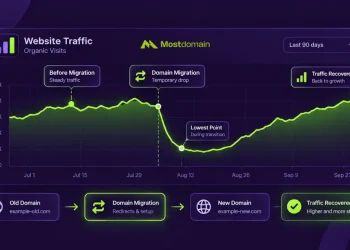
Search engines already know the domain. So they tend to come back faster and pick up new content quicker.
What This Means in Practice
This shows up in real results, not just theory.
- You might see rankings sooner compared to a fresh domain
- You don’t need as much time to build basic authority
- It’s easier to enter competitive niches
But it’s not a shortcut to success. You still need solid content, structure, and consistency.
Why Quality Still Matters
Here’s the part many people miss. Not all aged domains help. Some actually hold you back.
Things you need to look at:
- Anchor text distribution
A healthy profile looks natural. Brand names, URLs, mixed phrases. If everything is keyword-heavy, that’s a red flag. - Relevance of past content
If the domain used to be about finance and now you want to build a fitness site, the old signals may not carry over well. - Quality of referring domains
Links from real, trusted sites help. Links from spammy directories or random blogs don’t.
The Bottom Line
Aged domains matter because they remove that “starting from zero” phase.
But they only work if the history is clean and makes sense for what you want to build.
It’s a bit like buying a used asset. If it was maintained properly, you get a head start. If not, you end up dealing with hidden problems.
How to Evaluate the Quality of an Aged Domain
This is the most important step. A bad domain can hurt your SEO instead of helping.
Start with a proper check domain process.
Things to analyze:
- Backlink quality (not just quantity)
- Historical content using Wayback Machine
- Spam signals or penalties
Good vs Bad Signals
| Good Signal | Bad Signal |
| Clean, relevant backlink profile | Spammy backlinks (casino, pills, etc.) |
| Natural anchor text | Over-optimized anchor text |
| Consistent niche history | Random or unrelated past topics |
| Stable domain authority / trust flow | Sudden spikes or drops |
| Indexed pages in search engines | Deindexed or penalized |
Key metrics to review:
- Trust flow (quality of links)
- Domain rating (overall authority strength)
- Referring domains diversity
Quick checklist:
- Use Wayback Machine to verify past usage
- Check if the domain was ever used for spam
- Confirm it’s still indexed in Google
How to Find Affordable Aged Domains
Finding quality affordable aged domains takes time, but it’s doable.
You don’t always need a huge budget.
Where to find domains:
- Expired domain auctions
- Domain marketplaces
- Private sellers
Practical tips:
- Don’t chase high metrics alone
- Focus on relevance to your niche
- Look at domains listed for longer (often negotiable)
Cost considerations:
- Cheap doesn’t always mean good
- Expensive doesn’t always mean better
- Value = quality + relevance + clean history
Common Risks When Buying Aged Domains
There are real risks. Ignoring them can waste both time and money.
Main risks:
- Hidden penalties from search engines
- Toxic backlink profiles
- Fake or tricked SEO metrics
Red flags to watch:
- Sudden jump in domain authority
- Irrelevant backlinks from unrelated industries
- History of spam or hacked content
Other risks:
- Trademark issues
- Poor domain extension reputation
- Deindexed domains
How to reduce risk:
- Always check domain history
- Verify backlinks manually
- Avoid domains that look “too perfect”
Comparing Aged Domain Sellers and Marketplaces
Not all sellers are the same. Each has pros and cons.
Seller Comparison
| Seller Type | Pros | Cons |
| Premium marketplace | Curated, safer options | Higher price |
| Expired auction | Lower cost, more options | Higher risk |
| Private seller | Negotiable deals | Less transparency |
What to consider:
- Level of verification provided
- Availability of SEO data
- Refund or support policies
Simple rule:
- More convenience = higher cost
- More control = more effort required
Why Premium Marketplaces Help Reduce Risk
Premium marketplaces exist for a reason. They reduce the amount of manual work you need to do.
Benefits:
- Pre-vetted domains with cleaner history
- Verified SEO metrics like domain rating and trust flow
- Easier filtering based on niche and quality
They also help you:
- Save time on research
- Avoid obvious spam domains
- Focus on building instead of hunting
Still, you should always double-check any domain yourself.
Why Buyers Choose Mostdomain
Many buyers prefer platforms like Mostdomain because they focus on quality over volume.
What makes it useful:
- Curated selection of aged domains
- Verified SEO metrics and cleaner histories
- Domains chosen for relevance and long-term value
Why it stands out:
- Less noise compared to open marketplaces
- Better chances of finding high quality domains
- Saves time for serious SEO buyers
Typical use:
- Buyers who want reliable domains without digging through thousands of listings
- Website owners looking for stronger starting points
It’s not about hype. It’s more about efficiency and reducing risk.
Final Thoughts
Buying quality affordable aged domains is part strategy, part research.
You’re not just buying a name. You’re buying history.
Key takeaways:
- Always evaluate domain quality carefully
- Focus on relevance, not just metrics
- Use trusted sources to reduce risk
Aged domains can give you a head start. But only if you choose wisely.
FAQ
Are all aged domains good for SEO?
No. Some have spam history or penalties. Always check backlinks, anchor text, and past content.
How do I know if an aged domain is safe?
Use tools to check domain authority, trust flow, and review history with Wayback Machine. Make sure Google still indexes it.
Is an expired domain better than a fresh domain?
Sometimes. Expired domains may have existing SEO value, but only if they have a clean and relevant history.
What is the best domain extension for SEO?
People usually trust common extensions like .com, but what really matters is how relevant and high‑quality the domain is, not the extension.
How long should a domain be aged to matter?
There’s no strict rule, but domains that have been active for several months—or even years, usually send stronger SEO signals than brand‑new ones.
References
- NameClub. (2026). Is domain age an SEO secret weapon? Here’s the truth.
- DomCop. (2026). How to find & buy aged domains: Steps, tools, and best practices.
- Portland SEO Growth. (2023). 7 things to think about when buying aged domains for SEO.
- SerpNames. (2024). Best domain extensions for SEO: An overview.
- SEOptimer. (2014, 2025‑style topic). What domain extension (TLD) is best for SEO?
- BestMarketing / SEO‑oriented TLD guides. (2025). What is domain age in SEO and does it affect rankings?
- SEO.Domains. (2026). Buy aged and expired domains | SEO.Domains marketplace.