
Aged domain case studies show that investing in pre-owned domains can accelerate SEO results by 6–18 months compared to fresh domains. Real-world data reveals page-one rankings, $10,000+ monthly revenue, and 3x faster domain authority growth, helping businesses and investors make data-driven SEO decisions.
What Makes Aged Domains Valuable for SEO
An aged domain is a previously registered domain name that carries established backlinks, historical trust signals, and existing domain authority. Search engines recognize these domains as credible because they have operated legitimately over time.
The primary SEO benefits include bypassing the Google sandbox effect, inheriting quality backlink profiles, and gaining immediate brand recognition. Fresh domains typically need 12 to 24 months to build comparable authority, while aged domains can rank within weeks when properly implemented.
Case Study 1: Niche Site Reaches $10,000 Monthly Revenue
| Metric | Before | After 12 Months |
| Monthly Traffic | 0 | 40,000 visits |
| Domain Rating | 35 | 52 |
| Referring Domains | 100 | 180 |
| Monthly Revenue | $0 | $10,000+ |
A dating niche website built on an aged domain from 2007 demonstrates significant ranking impact. The domain had 1,480 referring domains at purchase, including backlinks from The New York Times and major news outlets. This existing backlink profile provided immediate credibility that would cost $15,000+ to build from scratch.
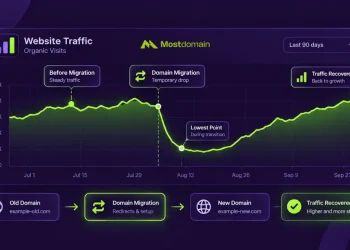
The owner published 540 informational articles while maintaining topical relevance to the original site’s dating advice theme. Within 12 months, organic traffic analysis showed 40,000 monthly visitors, with 80% coming from US audiences.
The site consistently earns over $10,000 monthly from affiliate programs, proving how aged domain case studies translate to real revenue and sustainable business models.

Case Study 2: Page One Ranking for 50K Search Volume Keyword
This case study follows an affiliate site targeting a home improvement keyword with 50,000+ monthly searches. The competition included Amazon, Walmart, and established niche sites with DR60+ domains. The aged domain cost approximately $3,000 and came with CNN and TripAdvisor backlinks already established.
Timeline of Results:
✓ Month 1 to 3: Technical optimization, site speed improvements, and content deployment



✓ Month 4 to 6: Ranking improved from position 100+ to page 2 through on-page SEO
✓ Month 7 to 9: Strategic link building campaign with DR40+ guest posts
✓ Month 10 to 12: Achieved page one ranking at position 7 after keyword density optimization
The backlink profile quality mattered more than quantity. Strategic guest posting on relevant sites with branded anchor text pushed rankings through competitive barriers. The content strategy focused on TF-IDF optimization using tools like Surfer SEO to match top-ranking pages. This aged domain investment recovered costs within 8 months through affiliate commissions averaging $4,000 monthly.
Case Study 3: E-commerce Domain Recovery
An e-commerce fashion site purchased an expired domain with strong domain authority of 45. Initial traffic analysis showed the previous site had 15,000 monthly visitors before expiration. The acquisition cost was $2,500 through a domain auction platform.
| Phase | Action | Result |
| Week 1 to 4 | Content alignment with original niche | Indexed within 3 days |
| Month 2 to 3 | Product pages optimized for target keywords | 8,000 monthly visitors |
| Month 4 to 6 | Link reclamation and outreach campaign | 12,000 monthly visitors |
The key lesson from this aged domain case study involves maintaining topical relevance. Google rewards sites that continue the original domain’s purpose rather than pivoting to unrelated niches.
The owner contacted webmasters with broken links pointing to the old site, recovering 45 additional referring domains through simple outreach. Revenue reached $3,500 monthly by month six through display advertising and affiliate partnerships.
Aged Domain vs Fresh Domain: ROI Comparison
Understanding the domain age advantage requires examining actual investment returns across different approaches. Here is what the data shows across multiple case studies and documented experiments from SEO practitioners.
| Factor | Fresh Domain | Aged Domain |
| Time to Page One | 12 to 24 months | 3 to 6 months |
| Initial Investment | $10 to $15 | $500 to $5,000 |
| Link Building Cost | $5,000 to $15,000 | Often included |
| Sandbox Period | 3 to 9 months | Minimal or none |
| SEO Benefits Timeline | Gradual | Accelerated |
| Risk Level | Lower | Moderate (requires due diligence) |
The search engine algorithms favor established domains with clean histories. While fresh domains offer lower upfront costs, aged domains provide faster ROI when evaluated properly. Most successful aged domain investments show positive returns within 6 to 12 months, with average ROI reaching 748%, according to industry studies on SEO investments.
How to Evaluate Aged Domains Before Purchase
Not every aged domain delivers results. Thorough due diligence prevents costly mistakes and ensures your investment aligns with SEO benefits goals. The difference between a profitable aged domain and a money pit often comes down to evaluation quality.
Essential Metrics to Check:
✓ Domain Rating or Domain Authority above 20 from reputable tools
✓ Referring domains from legitimate, relevant websites in your niche
✓ Clean history on Wayback Machine without spam content or redirects
✓ No Google penalties verified through Search Console access if available
✓ Topical relevance matching your intended niche and content strategy
Red Flags to Avoid:
✗ Sudden traffic drops indicating algorithmic penalties or manual actions
✗ Spammy backlink profiles with casino, pharmaceutical, or adult links
✗ Previous use as Private Blog Network (PBN) or link farm
✗ Trademark conflicts with existing brands that could cause legal issues
✗ History of redirects to unrelated websites showing manipulation attempts
The Truth About Domain Age and Search Rankings
Google’s John Mueller stated that domain age alone is not a ranking factor. However, aged domain case studies consistently show faster results because of accumulated trustworthiness signals and established crawl patterns.
The 2024 Google API leak confirmed that Google tracks domain registration history and uses historical data in ranking calculations. Specifically, Google maintains up to 20 versions of your web pages and considers how long a domain has been active when determining sandbox eligibility.
Older domains with consistent publishing history receive higher crawl rates and faster indexing. This explains why aged domains often outperform fresh registrations despite Google’s official statements about age not being a direct ranking factor.
Maximizing Your Aged Domain Investment
Success with aged domains requires strategic implementation beyond simply purchasing and launching. These principles from documented case studies improve outcomes and reduce risk of failure.
First, maintain exact topical alignment with the domain’s original content. Sites that pivot to unrelated niches often experience ranking impact declines within 3 to 6 months as Google recognizes the content shift. Matching user intent from the original site preserves accumulated trust signals.
Second, recreate important pages that have existing backlinks pointing to them. Use 301 redirects carefully to preserve link equity while updating content for current standards. Tools like Ahrefs and Wayback Machine help identify which URLs carry the most SEO benefits value.
Third, continue building quality backlink profiles through guest posting and digital PR. The inherited links provide foundation, but ongoing acquisition sustains growth and signals to search engine algorithms that your site remains active and authoritative.
Your Next Steps: Turning Data Into Action
Aged domain case studies demonstrate that pre-owned domains offer legitimate advantages when properly vetted and implemented. The investment ranges from $500 to $5,000 for quality domains, potentially saving $10,000+ in link building costs while accelerating results by 6 to 18 months.
These documented results prove the strategy works across niches, including dating, home improvement, fashion, and B2B sectors.
Your success depends on thorough evaluation, topical relevance, and continued SEO effort. Aged domains are tools that amplify good strategy rather than replace fundamental SEO work. Start by researching domains in your target niche, verify their history thoroughly, and maintain the content direction that built their original authority.
Build Your Website on a Strong Foundation
A successful website starts with the right domain.
MostDomain Premium Collection offers exclusive aged domain designed to build credibility, authority, and digital competitiveness from day one.
✅ Easier to trust
✅ SEO-ready with strong backlink history
✅ A valuable digital asset that continues to increase in investment value
Check our premium domain collection before they’re gone →
Visit Most Domain →
Need help choosing the right aged domain? Contact our admin on Telegram: @mostdomain_cs
References
- Authority Builders. Case Study: Hitting Page 1 for a 50k Search Keyword with an Aged Domain. 2024
- The Website Flip. Building Niche Sites Using Aged Domains: An Advanced Guide. 2025
- Stream SEO. Guide To Using Aged Domains For Niche Sites. 2023
- Rank Studio. Aged Domain SEO: Do Age and Backlinks Impact Rankings. 2025
- Search Engine Journal. Domain Age: Is It A Google Ranking Factor. 2021
- Backlinko. Google’s 200 Ranking Factors: The Complete List. 2025